Morocco’s spending on food imports rose to 94.6 billion dirhams ($10.3 billion) in 2025, representing a 3.3% increase compared to the previous year, according to the Exchange Office’s December foreign trade report.
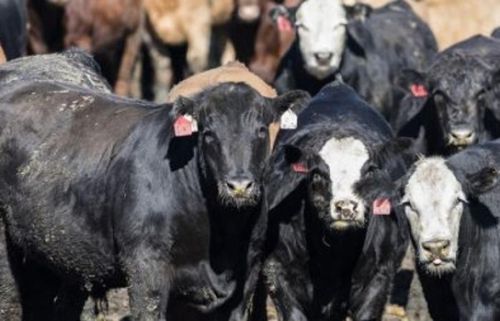
Wheat, sugar, corn, and live animals were the leading import categories, together accounting for nearly 42% of the total food import bill, amounting to 39.7 billion dirhams ($4.34 billion). Among these, imports of live animals recorded the highest growth, surging 25% year-on-year to 6.97 billion dirhams ($762.7 million).
Policy measures contributed to the rise in livestock imports. Under the 2025 Finance Act, Morocco suspended import duties and VAT on cattle, sheep, goats, and camelids from January 1 to December 31, 2025. Local authorities also doubled the quota for cattle imports to 300,000 head in August 2025 to ensure adequate domestic supply of livestock and fresh meat. These measures aim to rebuild the national herd, which has been severely reduced due to a seven-year drought. Ministry of Agriculture surveys indicate that Morocco has lost 38% of its cattle and sheep population since 2016.
Besides live animals, spending on corn imports increased by 18.5% year-on-year. In contrast, the value of sugar and wheat imports fell by 18% and 5.8%, respectively.
Overall, food imports accounted for 11.5% of Morocco’s total import bill, which stood at 822.2 billion dirhams ($89.9 billion) in 2025. Morocco’s food export revenues, however, totalled only 86.8 billion dirhams ($9.4 billion), a slight decline of 0.1% from 2024. As a result, the country recorded a trade deficit of 7.78 billion dirhams ($850 million) in food products. Food exports contributed nearly 19% to Morocco’s total export revenues, which reached 469 billion dirhams ($51.2 billion) in 2025.