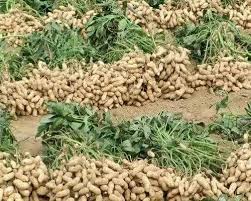
Senegal is on course to overtake Sudan and become Africa’s second-largest peanut producer after Nigeria in the 2025/26 season, according to data from the U.S. Department of Agriculture (USDA).
The USDA forecasts Senegal’s harvest at 1.15 million tonnes, a rebound from the 800,000 tonnes recorded in the 2024/25 season. In contrast, Sudan’s production is expected to fall to 1 million tonnes, marking its lowest output in years and the third consecutive season below 2 million tonnes.
While the USDA did not specify reasons for Sudan’s decline, the country’s civil war, which has persisted since April 2023 between the Rapid Support Forces (RSF) and the Sudanese national army, has disrupted key growing regions in Darfur and Kordofan. Security concerns, economic challenges, and logistical constraints have hampered farming operations, restricted access to financing, and increased risks of spoilage, all contributing to lower production.
Senegal, by contrast, has seen a significant boost in productivity. Last season, the country achieved yields of around one tonne per hectare—about 50% higher than Sudan’s 0.69 tonnes per hectare, despite Sudan cultivating a much larger area. For 2025/26, Senegal’s productivity is projected to rise to 1.32 tonnes per hectare, while Sudan’s yield is expected to drop to 0.50 tonnes per hectare, widening the gap further.
The larger Senegalese crop presents both opportunities and challenges. The National Oilseed Processing Company (Sonacos) has set a target of purchasing 450,000 tonnes of peanuts from farmers. However, only 62,000 tonnes had been procured two months into the marketing season, raising doubts over the company’s ability to meet its ambitious target. Farmers have warned of potential oversupply on the domestic market, which could put downward pressure on prices despite the government setting a floor price of 305 CFA francs per kilogram.
On the export front, the government has recently scrapped a 4% tax on international sales, making exports more attractive. This comes at a critical time as the value of Senegal’s unroasted peanut exports has declined sharply since 2021, falling from 154.7 billion CFA francs ($279.5 million) to 65.3 billion CFA francs ($118 million), while volumes dropped nearly threefold to 121,798 tonnes.
If the forecast holds, Senegal’s peanut sector could see a revival, benefiting from higher productivity, stronger export potential, and improved market dynamics.