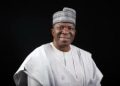
Nigeria’s downstream petroleum sector has saved over N6 trillion in petroleum product imports in just the first nine months of 2025, thanks to bold economic reforms by President Bola Tinubu’s administration, the Chief Executive of the Nigerian Midstream and Downstream Petroleum Regulatory Authority (NMDPRA), Saidu Mohammed, has revealed.
Speaking at the Nigeria International Energy Summit (NIES) in Abuja on Wednesday, Mohammed credited the savings to full downstream deregulation, harmonization of the foreign exchange market, and the trading of crude and petroleum products in Naira. He noted that these measures have stabilized the downstream market, encouraged investment, and ensured sufficient domestic supply.
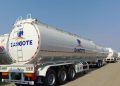
The NMDPRA boss highlighted that Nigeria’s refining capacity is projected to surpass 1 million barrels per stream day (bpsd) in the medium term. This growth is being driven by new refinery investments, rehabilitation of existing NNPCL refineries, and private-sector participation, including the Dangote Petroleum Refinery, the largest single-train refinery in the world, which currently produces up to 100 percent of domestic petroleum requirements in some products.
Mohammed emphasized that the downstream sector has undergone a renaissance, transitioning into a fully liberalized market with stable supply and pricing structures that encourage investment. “The supply chain landscape, which previously relied heavily on imported petroleum products, is rapidly transforming with growing domestic refining capacity, expanding gas-based alternative fuels, improved logistics, and increased private-sector participation,” he said.
He also noted that issued Licences to Establish (LTEs) for new refineries and ongoing rehabilitations will continue to expand Nigeria’s refining footprint, reducing import dependence and positioning the country as a regional and continental energy hub.
Highlighting the role of the gas sector, Mohammed stated that expanding gas utilization is supporting industrial development, cleaner power, transport fuels, and manufacturing linkages, further boosting Nigeria’s economic potential. He urged stakeholders—including government, investors, operators, financiers, and consumers—to collaborate in sustaining growth and attracting more investment in the energy sector.