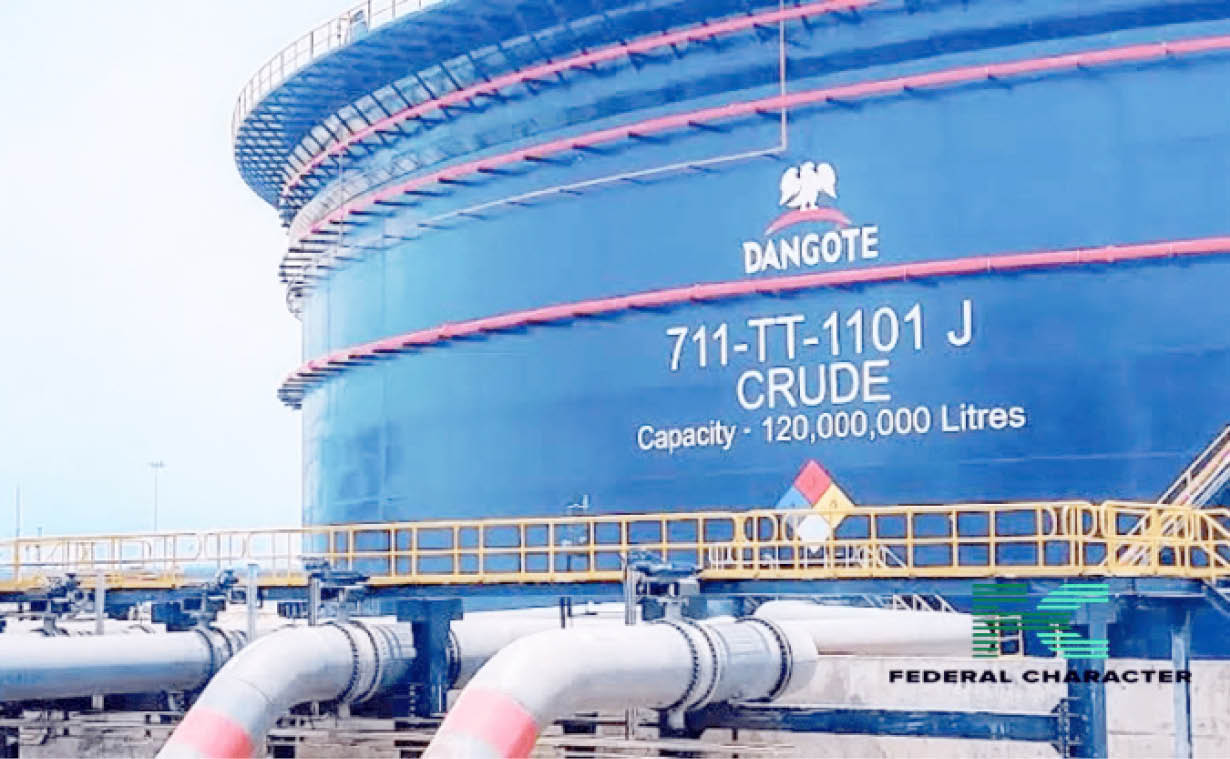
Dangote Refinery has outlined its fuel production and distribution operations, warning that heavy reliance on coastal logistics could significantly raise petrol prices if the additional costs are transferred to consumers.
In a statement posted on its official X account on Thursday titled “Six things to know about Dangote Refinery fuel production and distribution,” the company said its refinery operates a world-class gantry facility designed to ensure cost-efficient fuel evacuation nationwide.
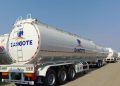
According to the statement, the refinery’s gantry has 91 loading bays and can handle up to 2,900 tankers daily, evacuating more than 50 million litres of petrol and 14 million litres of diesel through continuous 24-hour operations.
Dangote Refinery explained that gantry loading remains the most cost-effective distribution method, as it eliminates port charges, maritime levies and vessel-related expenses that do not add value to end users.
“Gantry loading is identified as the most cost-efficient evacuation method, as it eliminates port charges, maritime levies and vessel-related costs that do not benefit end users,” the company stated.
The refinery also clarified that marketers are not restricted in their choice of evacuation methods and are free to opt for either gantry or coastal loading. However, it cautioned that coastal logistics come with significantly higher costs.
“Marketers are free to choose between gantry and coastal loading, and the refinery does not impose restrictions on evacuation modes. Coastal logistics can add about ₦75 per litre to petrol costs, potentially pushing PMS pump prices close to ₦1,000 per litre if passed on to consumers,” it said.
Dangote Refinery further noted that Nigeria’s average daily fuel consumption stands at about 50 million litres of petrol (PMS) and 14 million litres of diesel. It warned that widespread reliance on coastal logistics could result in an additional annual cost of approximately ₦1.752 trillion to the economy.
Highlighting the benefits of domestic refining, the company said local production has already led to a significant drop in fuel prices and reduced pressure on foreign exchange demand.
“Local refining has significantly reduced fuel prices, with diesel falling from about ₦1,700 to ₦980–₦990 per litre, and PMS dropping from around ₦1,250 to ₦839–₦900 per litre, while also easing FX pressure and supporting naira stability,” the statement added.