The Federal Government has approved the reopening of the Tsamiya land border in Kebbi State for trans-border trade, subject to strict security and compliance guidelines.
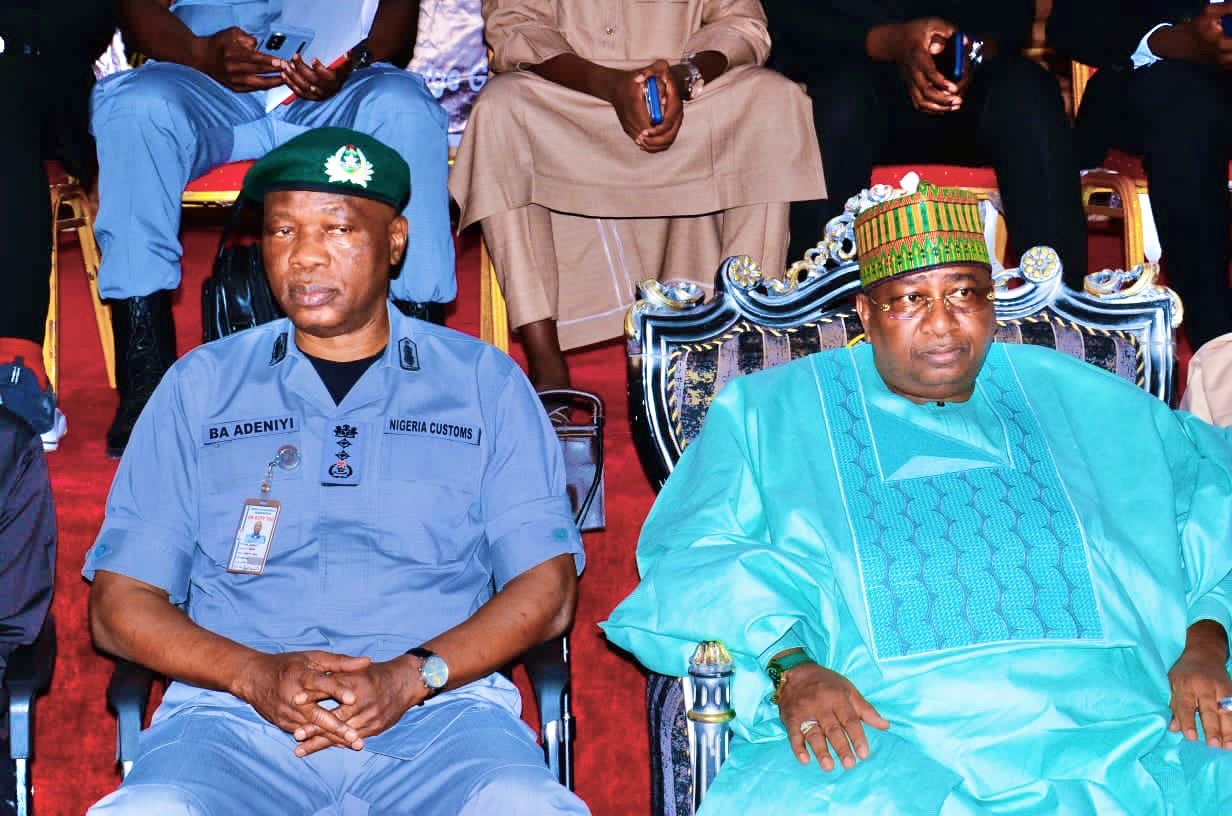
The Comptroller-General of Customs (CGC), Mr. Adewale Adeniyi, announced the approval on Saturday during an interactive session with stakeholders, including exporters, transporters and onion traders, in Kebbi State.
Adeniyi said the Federal Government was not indifferent to the hardship caused by the prolonged closure of the border, noting that the issue had received attention from high-level diplomatic, security and customs authorities within Nigeria and across neighbouring countries.
“We are not unconcerned about what is happening. Behind the scenes, all stakeholders have been working round the clock to resolve these challenges,” the CGC said.
He disclosed that Nigeria recently received an urgent delegation from the Niger Republic Customs Service and members of its Chamber of Commerce in Abuja as part of efforts to fast-track solutions to the trade bottleneck.
According to Adeniyi, the decision to reopen the Tsamiya corridor was driven by strong political will from President Bola Tinubu, alongside cooperation from neighbouring governments.
“I am happy to convey the approval of Mr President to all stakeholders that the Tsamiya border will now be reopened for services,” he announced.
The Customs boss, however, stressed that operations at the border would be guided by clearly defined security protocols to prevent criminal exploitation of the trade route.
“There are criminals and non-state actors who may want to take advantage of trade routes. We must facilitate trade without compromising national security,” Adeniyi warned.
He revealed that the Nigeria Customs Service would deploy ICT-based system interconnectivity with customs administrations in Benin Republic and Niger Republic to ensure seamless declarations, effective monitoring and transparency.
Adeniyi also issued a stern warning against diversion of goods in transit, saying any truck found outside approved transit corridors would be seized.
“We have prosecuted operators and suspended officers for such violations. We will not hesitate to take criminal action against anyone who breaks the law,” he said.
The CGC further emphasised the importance of developing border communities, noting that inclusive economic growth would strengthen security and cooperation.
“Border communities must feel the impact of the prosperity passing through their areas. That sense of belonging strengthens national security,” he said.
He commended Kebbi State Governor, Comrade Nasir Idris, for prioritising border communities, describing him as people-friendly and security-conscious.
Reacting to the approval, Governor Nasir Idris expressed satisfaction with the reopening of the Tsamiya border for trade. He assured that the state government would work closely with the Nigeria Customs Service and other security agencies to ensure smooth operations.
The governor also pledged that the Kebbi State Government would support the families of slain customs officers in line with the established procedures of his administration.
Speaking on behalf of the Benin Republic Customs Service, a senior customs officer praised Nigeria for reopening the corridor and reaffirmed commitment to bilateral cooperation.
“We work hand-in-hand with Nigerian Customs to facilitate safe and secure trade. We are pleased with the leadership of the Nigerian Customs Service and we will support this initiative fully,” he said.
Earlier, stakeholders welcomed the development, describing it as a major boost for non-oil exports and regional trade.
President of the National Onion Producers, Processors and Marketers Association of Nigeria (NOPPMAN), Mr. Isa Aliyu, said the Tsamiya corridor was critical to the survival of onion farmers and traders.
“Onion is highly perishable. Every hour of delay translates to losses. Closure pushes trade to illegal routes, weakens regulation and reduces government revenue,” he said.
Aliyu noted that reopening the border would support President Tinubu’s economic diversification agenda, boost GDP, increase internally generated revenue for onion-producing states, create jobs and improve trade data collection.
Another stakeholder, Mr. Abubakar Bello, appealed to the Federal Government to consider reopening other land borders to further enhance revenue generation and ease regional trade.
Also speaking, Mr. Ahmad Bello, representing the Office of the National Security Adviser, assured stakeholders that the office would collaborate with registered customs agents to ensure smooth and secure operations going forward.
With the approval now granted, stakeholders expressed optimism that regulated activities at the Tsamiya border would restore confidence, protect farmers, improve revenue collection and strengthen Nigeria’s leadership in regional trade.