The Nigerian National Petroleum Company Limited (NNPC Ltd) injected an estimated N13.2 trillion into Nigeria’s three state-owned refineries in 2023 and 2024, largely to fund turnaround maintenance, operations and associated bank charges, despite the facilities continuing to post heavy losses and operate far below commercially sustainable levels.
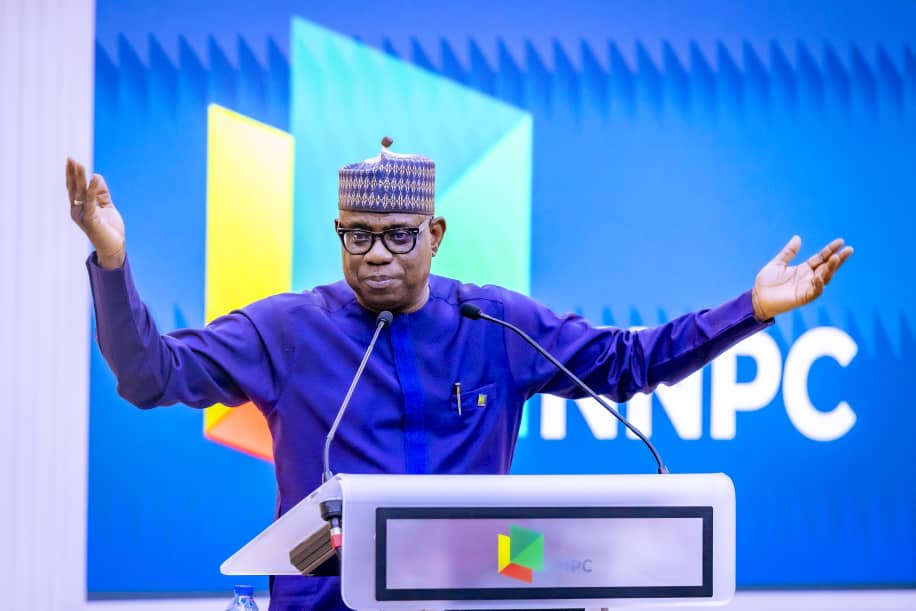
The scale of the financial burden was publicly acknowledged this week by the Group Chief Executive Officer of NNPC Ltd, Bayo Ojulari, who described the refineries as a major drain on the country’s resources, operating at what he termed a “monumental loss” to Nigeria.
Ojulari spoke in Abuja during a fireside chat titled ‘Securing Nigeria’s Energy Future’ at the Nigeria International Energy Summit 2026, offering rare insight into the commercial realities surrounding the long-troubled Port Harcourt, Warri and Kaduna refineries.
Figures contained in NNPC’s 2024 audited financial statements show that the three refineries together owed the national oil company about N4.52 trillion in 2023. By the end of 2024, the combined indebtedness had surged to N8.67 trillion, bringing the total exposure over the two-year period to approximately N13.2 trillion.
NNPC explained in its accounts that the rising balances reflected sustained funding of refinery operations, turnaround maintenance and related bank charges. The spending intensified as the immediate past Group Chief Executive Officer, Mele Kyari, pushed efforts to revive the moribund facilities after years of underinvestment and repeated shutdowns.
Despite the massive injections, the refineries have struggled to achieve meaningful production levels, raising questions about the economic viability of continued public funding and the broader strategy for Nigeria’s downstream petroleum sector.
Ojulari’s remarks signal a possible shift in tone by the national oil company, as policymakers weigh the cost of maintaining state-owned refining assets against alternative models, including private sector participation and imports, in securing Nigeria’s long-term energy needs.