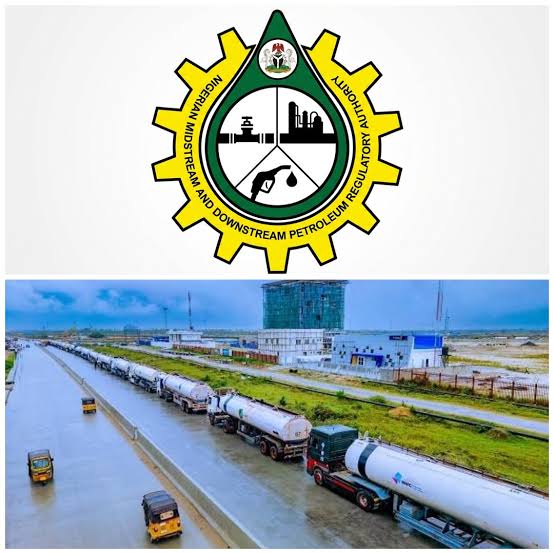
Petroleum marketers have expressed optimism over indications that the Nigerian Midstream and Downstream Petroleum Regulatory Authority (NMDPRA) will resume the issuance of import permits for Premium Motor Spirit (PMS), also known as petrol, and diesel by mid-February.
The planned resumption of fuel import approvals, which had been temporarily halted, is believed to be linked to concerns over a potential tightening of supply within the petroleum value chain.
According to industry sources quoted by Argus, the NMDPRA is expected to begin approving new import licences later this month or, at the latest, by early March. This would mark the first set of approvals in 2026, following a regulatory pause aimed at restricting imports strictly to volumes required to cover shortfalls in domestic refinery output.
The sources disclosed that the delay in issuing permits was partly due to leadership changes at the authority after the exit of its former Chief Executive, Farouk Ahmed, on December 17. The transition reportedly slowed internal decision-making processes, affecting approvals in the early part of the year.
Reacting to the development, the National President of the Petroleum Products Retail Outlets Owners Association of Nigeria (PETROAN), Mr Billy Gillis Harry, described the move as a welcome development, stressing that encouraging local refining should not preclude liberalised importation.
Harry noted that allowing both domestic refining and product importation would enable market forces to effectively determine supply and demand dynamics.
“Dangote Refinery has been exporting petroleum products to other countries. Saudi Arabia recently imported petroleum products from Dangote Refinery, yet those countries also have refineries,” he said.
He explained that product shortages can occur even in refining nations, making importation necessary to prevent supply emergencies.
“There are always shortages in the local supply environment, which is why countries allow product importation to avoid crises that could disrupt economic and social activities,” he added.
The PETROAN president emphasised that supporting fuel imports does not undermine the significance of the Dangote Refinery, which he described as a major boost for Nigeria’s energy sector.
“Myself, as the National President of PETROAN, and on behalf of all members, congratulate Dangote Refinery on this giant stride and patriotic move. All we are saying is that all of us should grow together,” he said.
Market data also suggest shifting conditions, as crude oil receipts at the Dangote Refinery reportedly declined to about 250,000 barrels per day in January, down from approximately 350,000 barrels per day in December, marking a 16-month low.
The drop in crude deliveries points to lower run rates at the refinery’s crude distillation unit, increasing the likelihood of refined product shortfalls that imports may be required to bridge. Argus had earlier reported maintenance activities on key processing units, including the petrol-producing Residue Fluid Catalytic Cracking (RFCC) unit and the Crude Distillation Unit (CDU).
In December 2025, the Dangote Refinery also fell short of its planned domestic supply target of 50 million litres per day. Data from the NMDPRA showed that the $20bn facility supplied 32.01 million litres less than its planned output for the local market during the month.
Meanwhile, the Dangote Refinery last week dismissed reports suggesting that it imports finished petroleum products, describing such claims as inaccurate and based on a misunderstanding of global refining operations.
Speaking during a media briefing at the refinery, the Chief Executive Officer and Managing Director, Mr David Bird, explained that processing intermediate or semi-processed feedstocks is a standard practice in the global refining industry and does not amount to importing finished fuels.
“As a state-of-the-art, large-scale merchant refinery, DPRP refines crude oil and processes intermediate feedstocks into premium petroleum products and petrochemicals that meet the highest international standards,” Bird said.
He noted that the Dangote Petroleum Refinery operates under a European and Asian merchant refinery model, integrating advanced refining, blending and trading systems.
“DPRP produces high-quality fuels aligned with international environmental and health standards. Our gasoline is lead-free and MMT-free with 50 parts per million sulphur, while our diesel meets ultra-low sulphur specifications,” he stated.
Bird reaffirmed that the refinery supplies only fully refined, market-ready products, stressing that semi-finished fuels are unsuitable for vehicles and are not released into the Nigerian market. He added that the refinery was established to end Nigeria’s long exposure to substandard fuel and has since become a supplier of high-quality products to international markets.
He urged the media to help educate the public on the distinction between intermediate feedstocks and finished petroleum products, warning against what he described as deliberate misinformation aimed at discrediting the refinery’s operations.