Babajide Sanwo-Olu has described infrastructure as the “architecture of sustainable development,” saying it underpins real estate growth, construction activity, and long-term economic prosperity.
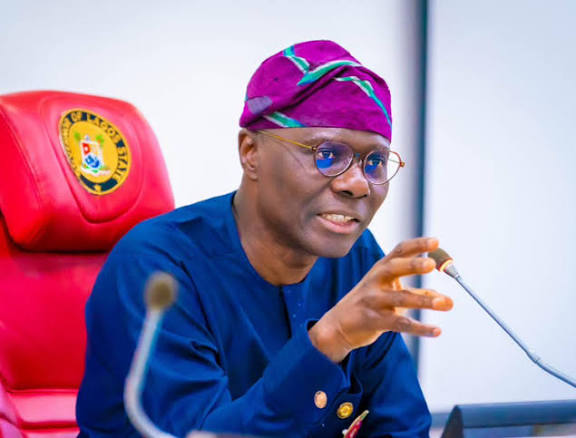
He made the remarks in a keynote address at the 2026 Nigeria Construction and Real Estate Outlook Conference, hosted by the Royal Institution of Chartered Surveyors (RICS) Nigeria Group in Lagos.
Using Lagos as a case study, Sanwo-Olu noted that rapid population growth presents both challenges and opportunities for urban planning and investment. He emphasised that prioritising infrastructure strategically has unlocked private-sector confidence and shaped inclusive urban growth.
“Infrastructure is not an accessory to growth; it is its architecture. It determines where value emerges, how cities expand, and whether growth is inclusive or fragile,” he said.
Represented at the event by the Commissioner for Housing, Moruf Akinderu-Fatai, the Governor highlighted major projects such as the Lagos Rail Mass Transit network, key road and bridge developments, and integrated transport planning as catalysts reshaping land use, opening new real estate corridors, and reducing congestion costs.
He stressed that strong institutions and reforms in land administration, planning approvals, and public-private partnership frameworks are essential to making infrastructure projects investable.
“These achievements reflect continuity of vision across successive administrations and a clear understanding that infrastructure is the strongest signal of government credibility and long-term intent,” he said.
Looking ahead, Sanwo-Olu expressed optimism for Nigeria’s construction and real estate sector in 2026, pointing to opportunities in transit-oriented development, urban regeneration, affordable housing, logistics and industrial parks, and climate-resilient infrastructure.
For Lagos specifically, priorities include deepening infrastructure delivery, strengthening institutions, expanding climate-adaptive investments, improving data-driven planning, and fostering innovation through stronger public-private partnerships.
He also underscored the role of chartered surveyors and built-environment professionals in safeguarding value, ensuring accountability, and guiding sustainable urban growth.
The 2026 RICS Conference brought together stakeholders including policymakers, chartered surveyors, real estate and construction professionals, investors, and academics, providing a platform for discussions on emerging trends, policy reforms, and investment opportunities in Nigeria’s built environment.