Developing economies under the Intergovernmental Group of Twenty-Four (G-24) have raised fresh concerns over rising debt burdens, shrinking fiscal space, and structural financing pressures that threaten sustainable growth across Africa.
The warning came at the G-24 Technical Group Meetings held in Abuja, where policymakers, central bankers, and finance ministers examined the growing strain that debt servicing is placing on national budgets in emerging markets.
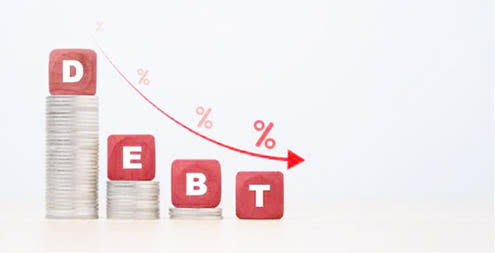
In her opening remarks, Iyabo Masha, Director and Head of the G-24 Secretariat, disclosed that external debt service payments by developing countries reached $487 billion in 2023. She highlighted that rising debt costs are crowding out essential spending on infrastructure, education, healthcare, and climate resilience.
Masha added that many lower-rated economies continue to face elevated borrowing costs despite some easing in global financial conditions.
According to Daily Trust, Nigeria’s total public debt reached N152.40 trillion ($99.66 billion) as of June 30, 2025, driven by increased domestic and external borrowing to cover fiscal deficits. Analysts project that Nigeria’s debt profile could hit N160 trillion by the fourth quarter of 2025, following fresh borrowings by the federal government and sub-national entities.
Stakeholders are urging caution over excessive borrowing, warning that unsustainable debt could undermine long-term economic growth and stability across the continent.