Fresh concerns are emerging over the fate of at least 13 banks still racing to meet new minimum capital requirements set by the Central Bank of Nigeria as the recapitalisation deadline draws closer.
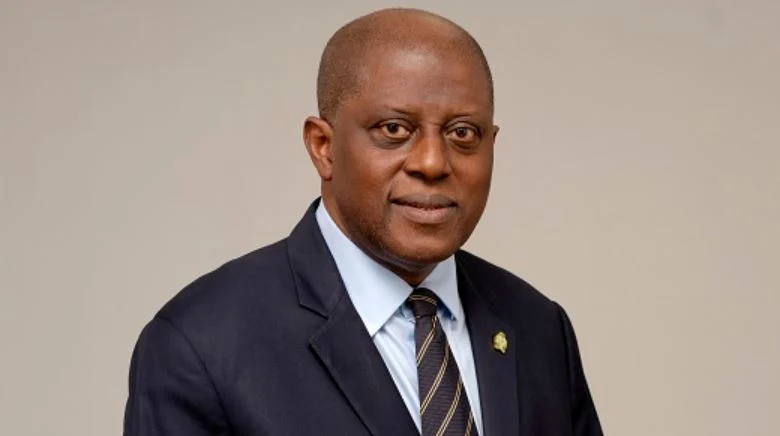
At the end of the Monetary Policy Committee meeting on Tuesday, CBN Governor Olayemi Cardoso disclosed that 20 banks have fully met the new capital thresholds, while 13 others are at advanced stages of their capital-raising processes.
Speaking with The PUNCH, management and financial consultant Boniface Chizea commended the banking sector’s resilience in responding to the new requirements.
“The results that they have achieved today, some of us were surprised because we thought that it was going to alter the landscape of banking radically,” he said, recalling past exercises when capital requirements were significantly raised, triggering panic and multiple mergers.
Chizea noted that while the feared systemic shock may not materialise, banks unable to meet the requirement may have limited options.
“So the banks that are not able to make it, of course, the only option they have would be to merge,” he said, adding that depositor protection must remain central to any consolidation process.
He warned that capitalisation challenges should not affect customers’ access to their deposits and suggested that an extension of the deadline could be considered, given the scale of the increase.
The Chief Executive Officer of Arthur Steven Asset Management, Tunde Amolegbe, said that although there has been no public confirmation of merger talks, discussions may be ongoing behind closed doors.
He referenced past consolidation exercises under former CBN Governor Charles Soludo, when some banks were merged by regulatory directive.
“That option is still available to the CBN to essentially force a merger if necessary,” he said.
Amolegbe also highlighted alternative pathways, including private placements and institutional capital injections, noting that banks may still secure funding before the deadline.
“Quite a bit could still happen,” he stated, tying the likelihood of mergers to whether the regulator grants an extension.
Head of Financial Institutions Ratings at Agusto & Co, Ayokunle Olubunmi, said many of the banks classified as being at an advanced stage of compliance have already secured the required funds.
“You’ll be shocked that a lot of those that the CBN said are at an advanced stage already have the funds with the CBN. What remains is regulatory verification and approval,” he explained.
Olubunmi clarified that the recapitalisation discussion excludes three banks currently under regulatory intervention by the apex bank, noting that such institutions face more complex governance and shareholder-related issues.
Under the new framework, banks with international licences are required to raise their minimum paid-up capital to N500bn, while national banks must meet a N200bn threshold before the March 31, 2026 deadline.
Regional commercial and merchant banks are expected to maintain a minimum capital base of N50bn, while non-interest banks must hold N20bn for national licences and N10bn for regional operations.
Industry analysts say the coming months will determine whether the recapitalisation drive ends with stability or triggers a new wave of consolidation in Nigeria’s banking sector.