The Transmission Company of Nigeria (TCN) has recorded a major milestone in Nigeria’s power sector after successfully preventing a national grid collapse for 421 consecutive days.
The achievement followed the implementation of the Nigerian Electricity Grid Maintenance, Expansion, and Rehabilitation Programme (NEGMERP) and a broad digital transformation initiative aimed at strengthening electricity transmission across the country.
According to the company, the development reflects sustained investments in infrastructure upgrades, deployment of smart technologies, and operational reforms designed to improve electricity evacuation and reliability nationwide.
The General Manager of Public Affairs at TCN, Ndidi Mbah, said the programme supported the execution of several major reinforcement and capital-intensive projects along transmission corridors across Nigeria.
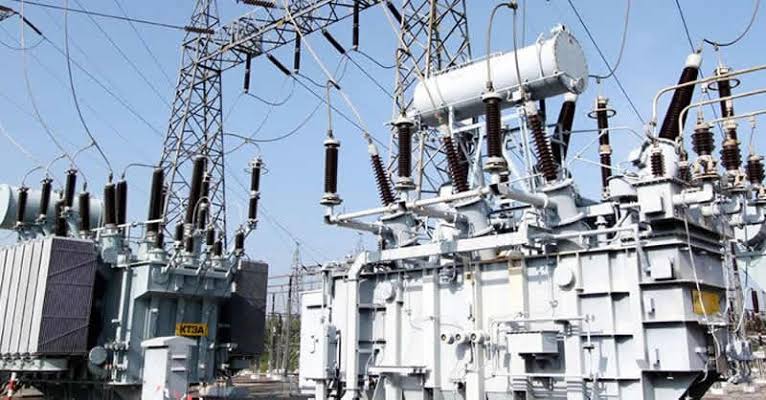
“Notably, TCN has successfully completed several substations, initiated the reconductoring of aging and low-capacity transmission lines, replaced aged transformers with new ones, and upgraded the capacities of existing transformers,” she said.
Mbah added that the period also witnessed significant generation milestones within the national power system.
According to her, the grid recorded an all-time peak generation of 5,802 megawatts, indicating improved system performance and operational stability.
She explained that the stability achieved between July 20, 2022, and September 13, 2023, represents one of the most notable improvements in the country’s electricity transmission history.
“Remarkably, for a period spanning 421 days from July 20, 2022, to September 13, 2023, the national grid did not experience any collapse,” she said.
Mbah attributed the progress to the leadership of TCN’s Managing Director and Chief Executive Officer, Sule Ahmed Abdulaziz, noting that the management intensified infrastructure rehabilitation and operational modernisation during the period.
As part of efforts to improve operational efficiency, the company also embraced digital transformation by deploying both internally developed solutions and vendor-provided applications.
These initiatives included the upgrade of TCN’s web portal to improve transparency and enable seamless data sharing within the electricity market ecosystem.
“To enhance efficiency and effectiveness, TCN embraced digital transformation through the utilisation of internal solutions and vendor-procured applications. This transformation improved transparency and facilitated the exchange of information critical to market operations,” Mbah explained.
One of the major innovations introduced by the company’s engineers is the development of an in-house Internet of Things (IoT) monitoring system, designed to provide near real-time operational data from generation stations and substations.
The system improves grid visibility for controllers at the National Control Centre, enabling faster response to potential disruptions and enhancing overall system monitoring.
In addition, TCN has begun upgrading its Supervisory Control and Data Acquisition/Energy Management System (SCADA/EMS) to replace legacy systems inherited from the pre-reform era of Nigeria’s power sector.
While awaiting the full deployment of the advanced network, the company said it continues to implement smaller technology-driven solutions to maintain operational efficiency.
“While awaiting the full implementation of the advanced SCADA/EMS network, TCN recognised the value of small-scale solutions that produce impactful results,” Mbah said.
She added that the company has also prioritised preventive maintenance, timely procurement of spare parts, and systematic monitoring of equipment to minimise disruptions and strengthen grid reliability.
Beyond technical reforms, TCN highlighted workplace initiatives aimed at improving employee welfare and productivity.
According to the company, the current management has introduced policies to create a work environment that supports efficiency while promoting a balanced and supportive workplace culture.
TCN said its continued investments in digital innovation and transmission infrastructure remain essential for strengthening Nigeria’s long-term energy security and restoring confidence in the country’s national power transmission system.