Economic analysts at Afrinvest have called on the Federal Government to introduce urgent fiscal interventions, including the suspension of tariffs on essential food imports, to prevent a sharp rise in the cost of living following February’s volatile inflation figures.
Although Nigeria’s annual headline inflation rate eased slightly to 15.06 per cent, underlying data signals growing pressure. On a month-on-month basis, inflation surged by 2.0 per cent in February, reversing the 2.9 per cent deflation recorded in January.
According to analysts, this shift reflects deeper structural challenges and external risks that could erase recent gains. They pointed to ongoing tensions in the Middle East as a key factor driving global energy prices upward, with crude oil nearing $105 per barrel.
This surge has translated into higher domestic fuel costs, with petrol prices climbing to around N1,350 per litre, while diesel and cooking gas have risen to approximately N1,650 per litre and N1,400 per kilogramme, respectively.
“This shock, coupled with subsisting structural drag factors such as inadequate power supply, poor road networks, and insecurity, is expected to stoke price pressure going forward,” the report stated.
Food inflation remains a major concern, increasing by 3.2 percentage points year-on-year to 12.1 per cent. Analysts attribute the rise to seasonal supply shortages during Ramadan and Lent, alongside persistent logistics challenges.
In response, Afrinvest is urging the Federal Government to implement targeted measures to cushion the impact on households, particularly low-income earners who are most vulnerable to rising prices.
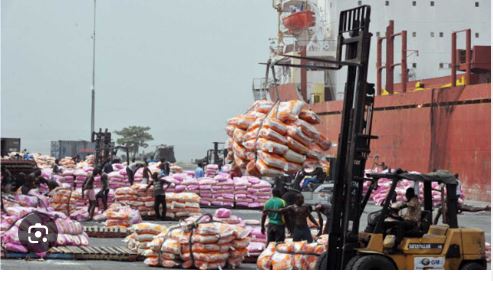
Recommended actions include rolling out affordable nationwide mass transit systems, providing healthcare subsidies, and suspending tariffs and related charges on food imports and other essential goods.
Looking ahead, Afrinvest projects a further increase in inflation, with the headline rate expected to rise by 150 basis points to 16.6 per cent in the coming months. Monthly inflation could also spike as high as 5.2 per cent if current pressures persist.
The firm warned that prolonged external shocks could derail the Federal Government’s projection of maintaining an average inflation rate of 16.5 per cent.
As the National Bureau of Statistics continues its statistical adjustments to rebase the Consumer Price Index, analysts expect inflation trends to stabilise eventually—but only if decisive action is taken to address energy costs and supply chain disruptions.