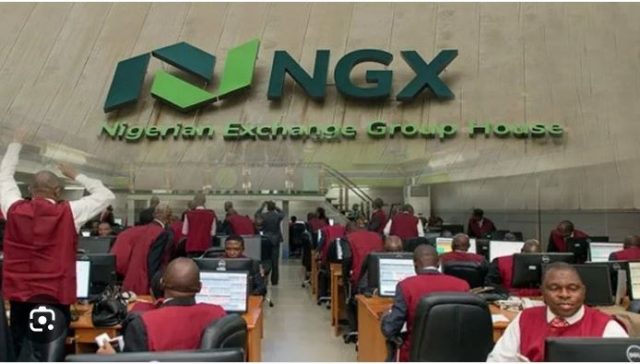
The Nigerian Exchange Limited recorded an extraordinary surge in trading activity, with investors exchanging 8.761 billion shares worth N267.253bn in 193,473 deals, despite a shortened three-day trading week.
The high-volume transactions came as the Nigeria government declared public holidays on March 19 and 20 to mark Eid-el-Fitr, reducing the number of trading days. The performance sharply exceeded the previous week’s figures of 3.321 billion shares valued at N164.845bn.
Market data showed that the Information and Communications Technology sector led the charge, accounting for 5.330 billion shares valued at N46.825bn. This represented 60.84 per cent of the total equity turnover, driven largely by intense trading in E-Tranzact International Plc, FCMB Group Plc, and Wema Bank Plc.
Reflecting the bullish sentiment, the NGX All-Share Index and market capitalisation both rose by 1.39 per cent to close at 201,156.86 points and N129.126tn respectively.
However, sectoral performance was mixed. Indices tracking insurance, oil and gas, and commodities recorded declines, while the sovereign bond index remained unchanged. During the period, the exchange also expanded its product offerings with the listing of NGX30U6 and NGXPENSIONU6 futures contracts, alongside new commercial paper issuances from NGN Gram Limited worth several billions of naira.
Analysts say the surge signals a strategic shift among investors, particularly institutional players, as they reposition portfolios in response to changing market conditions. According to market insights from Meristem Securities, investors are moving quickly to secure favourable yields as returns in the fixed-income market begin to decline.
“As yields begin to trend lower, investors move quickly to lock in still-attractive rates before further declines materialise,” the firm noted, highlighting increased subscriptions and falling Treasury bill yields.
The strong appetite for equities and debt instruments, even within a shortened trading window, underscores sustained investor confidence in the first quarter of 2026.
Notably, the dominance of the ICT sector reflects a broader structural shift within the Nigerian market. Historically led by financial services, the exchange is now seeing increased influence from technology-driven companies.
The growth is fuelled by the rapid expansion of digital financial services and infrastructure, with fintech firms experiencing significant gains in market capitalisation and trading activity. This trend signals a growing belief among both retail and institutional investors that technology will play a central role in driving future economic growth.