Banks in Nigeria are making a last-minute push to meet the recapitalisation deadline set by the Central Bank of Nigeria, with a major announcement expected this week as the March 31, 2026, cut-off date approaches.
Most financial institutions have largely met the new capital requirements, while a few are resolving final regulatory and structural issues ahead of the deadline. Senior officials at the apex bank indicated that an update on the exercise could be released by Tuesday or Wednesday.
The recapitalisation programme, introduced in March 2024, requires banks to meet new minimum capital thresholds of up to N500bn for international commercial banking licences, alongside lower requirements for other categories.
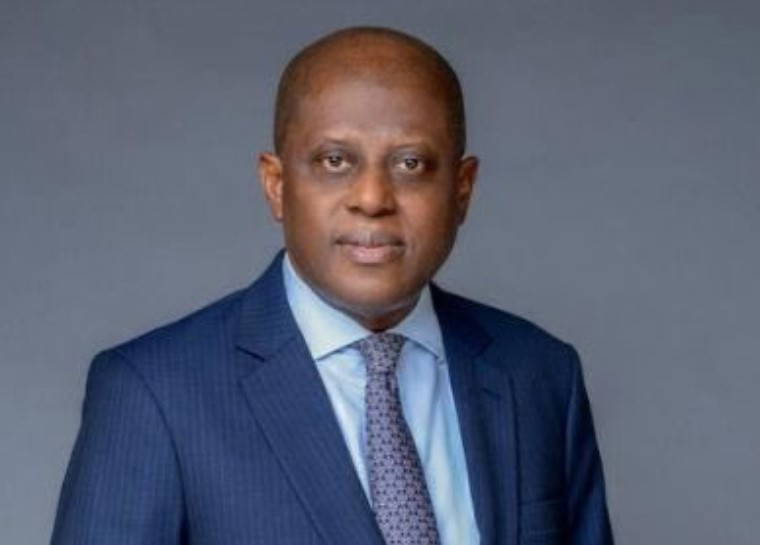
Speaking after the 304th Monetary Policy Committee meeting in Abuja, the CBN Governor, Olayemi Cardoso, expressed confidence that the process would be completed within the stipulated timeframe, despite a few institutions still finalising their strategies.
“And quite frankly, I expected to conclude within that stipulated time. It is expected,” Cardoso said.
He disclosed that significant capital had already been mobilised under the exercise. “As of February 19, 2026, total verified and approved capital raise stands at N4.05tn,” he noted, adding that N2.90tn (71.6 per cent) was sourced domestically, while $706.84m (N1.15tn) came from foreign investors.
According to Cardoso, this mix reflects strong investor confidence and broad participation in the banking sector.
Despite the progress, a few banks are yet to fully complete the process, largely due to delays in merger arrangements between two institutions. However, indications suggest that these issues may be resolved within the week.
Uncertainty also surrounds three banks currently under regulatory intervention. The CBN clarified that such institutions are being treated as special cases and are not expected to follow the same recapitalisation sequence as others.
Cardoso acknowledged this, stating that these banks face legal and structural considerations that affect their timelines. He, however, reassured depositors of the safety of their funds, noting that operations continue under strict regulatory supervision.
“We remain actively engaged with all stakeholders to ensure an orderly and credible outcome while maintaining financial stability,” he said.
Financial analysts have described the recapitalisation exercise as a success so far, especially given earlier concerns about the scale of the capital gap.
The Head of Financial Institutions Ratings at Agusto & Co, Ayokunle Olubunmi, said the process had recorded strong progress across the sector.
“When the exercise started, many were sceptical because the gap seemed huge. But the bulk of the funds have come from the domestic economy, which is impressive,” he said.
Olubunmi added that most banks yet to receive final clearance had already raised the required funds and were undergoing regulatory verification.
Officials also confirmed that while about three banks remain outstanding, two are expected to conclude their merger processes this week, while the third is likely to meet the requirement before the deadline.
The recapitalisation drive is seen as a major step toward strengthening the resilience of Nigeria’s banking sector and positioning it for future economic growth.