The Federal Government of Nigeria has intensified high-level discussions on a proposed $20bn transcontinental gas pipeline designed to transport Nigeria’s natural gas to European markets.
The initiative, which was a major focus of engagements in London, is expected to strengthen global energy security while unlocking long-term economic value for Nigeria.
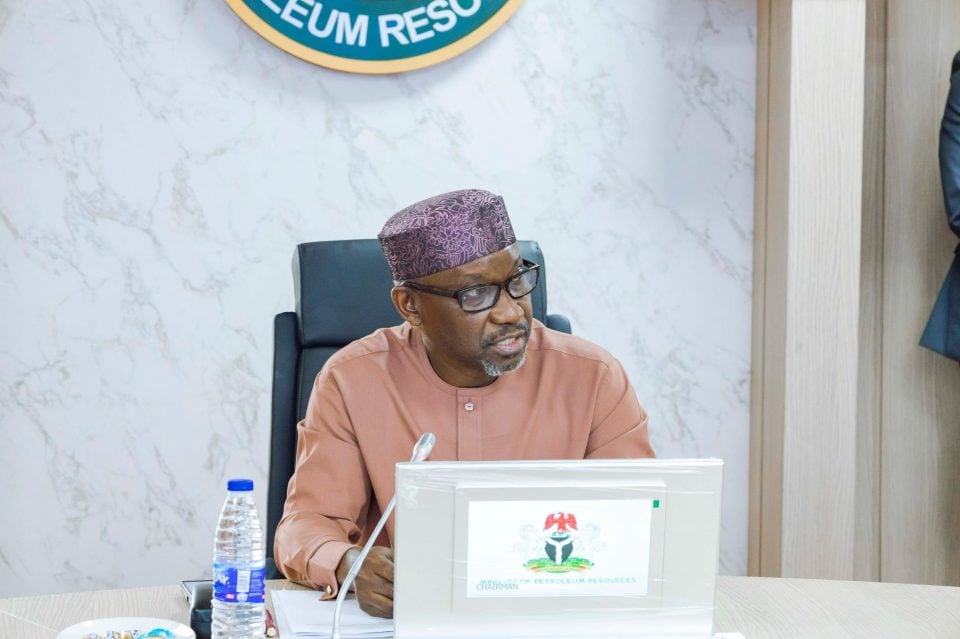
According to a statement by the Minister of State for Petroleum Resources (Gas), Ekperikpe Ekpo, the pipeline—described as a transformative gas corridor—will transport up to 30 billion cubic metres of gas annually. The route is planned to run from Nigeria’s southern reserves through Chad and Libya, before extending subsea to Sicily and into the wider European market.
Ekpo described the discussions as both timely and historic, noting that Nigeria is positioning itself as a prime destination for gas sector investments.
“Nigeria is set for investors to take advantage of this natural gas. With the Petroleum Industry Act and the executive orders by Mr President for the petroleum sector, a conducive environment has been created to attract investments,” he said.
He added that with adequate financial backing, there are no major obstacles to the project’s realisation.
Also speaking, the Executive Vice President, Gas, Power and New Energies at NNPC Limited, Olalekan Ogunleye, assured stakeholders of Nigeria’s readiness to attract investment. He emphasised that the company’s Gas Master Plan aligns with the government’s broader gas-led economic strategy.
“NNPC is focused on creating investable opportunities, removing bottlenecks, and partnering with credible investors. Simply put, NNPC is ready for business,” Ogunleye stated.
The project is being spearheaded by Roger Tamraz, Founder and Chief Executive Officer of Netoil Inc., who described the pipeline as commercially viable and strategically important to Europe’s energy future.
Further highlighting its potential, Alain Bolo, Chief Executive Officer of Unicorn, said the pipeline could significantly reduce gas flaring while positioning Nigeria as a dominant supplier to Europe. Meanwhile, project director Henry Erimodafe described it as a “strategic win-win” capable of generating jobs, attracting investments, and delivering long-term economic benefits.
Although still in its early stages, the pipeline is being developed by a consortium of global industry players and will undergo extensive technical, commercial, and regulatory processes before execution.
Stakeholders remain optimistic that the project could redefine Nigeria’s role in the global energy market while strengthening energy ties between Africa and Europe.