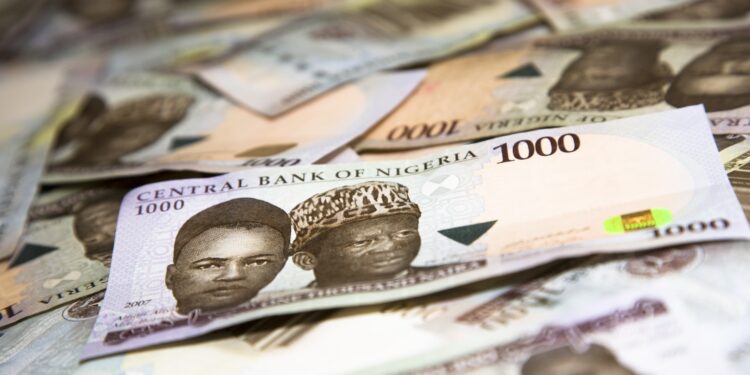
Crude oil prices surged this week due to the ongoing US–Iran conflict, with Bonny Light crude reaching $120 per barrel. Despite Nigeria’s status as a major oil exporter, the Naira is under pressure due to high landing costs for refined petrol (PMS), currently pegged at ₦1,168 per litre. The resulting spike in dollar demand for imports is depleting liquidity in the official market.
Although the Dangote Refinery achieved a milestone in January 2026 by providing 62% of Nigeria’s PMS, the remaining 38% still relies on imports, requiring both the Central Bank of Nigeria and private marketers to source billions of dollars. Dangote Refinery continues to import crude oil to maintain production levels.
The current situation comes amid rising inflation. Nigeria’s headline inflation is expected to tick up slightly to 16.22% for March and April after 11 consecutive months of decline. This has triggered a cautious “sell-first” mentality among traders, who had anticipated single-digit inflation by mid-year.
Disruptions to the Strait of Hormuz, a key energy route, have prompted European refiners to purchase Nigerian crude, adding pressure to the Naira. The local currency is struggling to hold the psychological level of ₦1,380/$ as the NNPC and private marketers scramble to cover landing costs for petrol imports.
Bonny Light crude reached an intraday high of $134.72 last week, but Nigeria’s oil production remains below budget at 1.48 million barrels per day, limiting the windfall’s impact on the Naira. Despite modest gains at the start of Q2 2026, the currency faces a delicate balance between supply and demand.
Monetary reforms, including the Electronic Foreign Exchange Matching System (EFEMS) and efforts to unify exchange windows, have reduced volatility compared to 2023–2024. The Naira has largely traded in a narrow range of ₦1,340–₦1,430 earlier this year.
Meanwhile, the US dollar remains strong, supported by haven demand amid uncertainty over Iran peace talks. Donald Trump recently warned of possible attacks on Iranian bridges and power plants if ceasefire demands are not met, pushing oil prices higher and reinforcing the US dollar’s appeal.
According to CME Group’s FedWatch Tool, there is a 99.5% chance that the Federal Reserve will hold rates steady at the April meeting. Traders are closely monitoring the latest FOMC meeting minutes for further guidance on US monetary policy.