Pump prices of Premium Motor Spirit (petrol) are approaching N1,400 per litre in many parts of Nigeria as geopolitical tensions in the Middle East continue to disrupt global oil supply.
The ongoing standoff between the United States and Iran has stalled efforts to reopen the Strait of Hormuz, a critical global oil transit route. The situation has driven up crude oil prices and triggered a ripple effect in Nigeria’s downstream market.
Compounding the crisis is the recent exit of the United Arab Emirates from the Organization of the Petroleum Exporting Countries (OPEC), further tightening supply expectations.
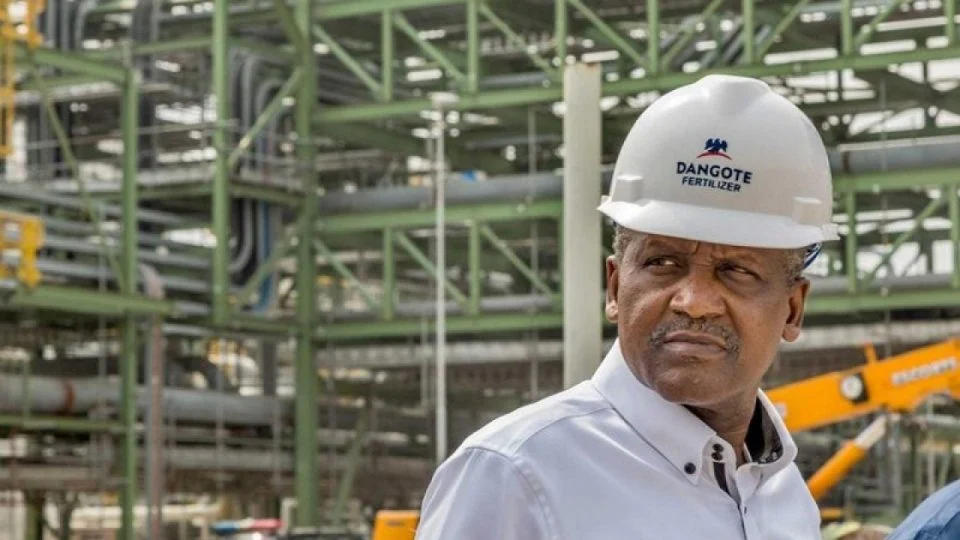
Brent crude prices climbed sharply from $105 per barrel on Monday to $118 by Wednesday, intensifying cost pressures. In response, Dangote Petroleum Refinery raised its petrol gantry price from N1,200 to N1,275 per litre, according to market data from Petroleumprice.ng and industry sources.
The refinery also increased coastal supply prices to N1,215 per litre. Sources familiar with operations revealed that the refinery temporarily halted its pro forma invoice entry process on Tuesday afternoon, disrupting supply scheduling and halting petrol and diesel sales to marketers.
Meanwhile, the Nigerian National Petroleum Company Limited (NNPC) has increased the official selling prices of all 37 Nigerian crude grades for May-loading cargoes. Reports indicate that Bonny Light rose by $6.13 per barrel, while Forcados gained $7.01, reflecting Nigeria’s gains from higher global oil prices.
Fuel stations reacted swiftly to the developments. In Lagos and other South-West states, pump prices rose from an average of N1,250 to over N1,300 per litre within days. Stations along the Lagos-Ibadan Expressway sold petrol between N1,315 and N1,320 per litre, while prices climbed as high as N1,350 in some locations.
In northern regions and areas farther from supply hubs, prices have edged closer to N1,400 per litre. Residents in border communities in Ogun State reported even higher costs, with petrol nearing N1,700 per litre due to supply constraints.
The National President of the Petroleum Products Retail Outlet Owners Association of Nigeria (PETROAN), Billy Gillis-Harry, warned that prices could continue to rise if the Middle East crisis persists.
He noted that marketers are grappling with sudden price volatility, making planning difficult. He also urged the government to introduce measures to cushion the impact on consumers, especially as higher crude prices boost national revenue.
According to him, petrol prices could exceed N1,500 per litre if tensions are not de-escalated. He also called for increased domestic production and refining capacity, suggesting that Nigeria could strengthen its position as a refining hub by improving output and ensuring stability in host communities.
Gillis-Harry further emphasized that despite local refining efforts, petroleum products in Nigeria remain internationally priced, with costs tied to global benchmarks and dollar equivalents.