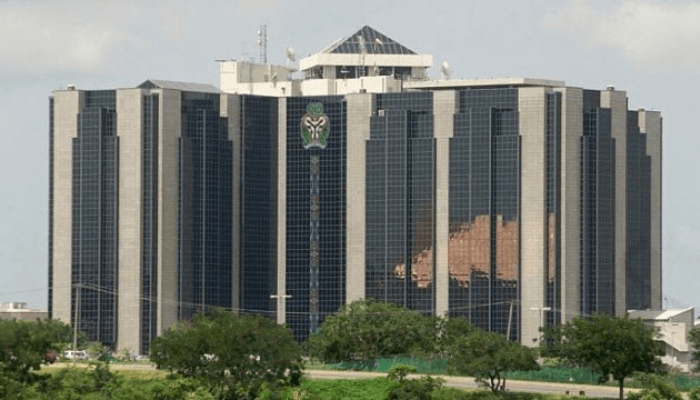
The Central Bank of Nigeria (CBN) and deposit money banks are reviewing excessive transaction alerts and customer charges following growing complaints from bank customers over confusing debit notifications and deductions.
CBN Governor, Olayemi Cardoso, disclosed this on Wednesday in Abuja during a press briefing after the 305th meeting of the Monetary Policy Committee.
Cardoso said the apex bank had established a quarterly engagement structure involving its consumer protection team, deposit money banks, and the top 10 microfinance banks to address unresolved customer complaints and improve banking experience.
According to him, one of the major issues under review is the “multiplicity” of transaction alerts and debit notifications sent to customers by banks.
“Banks, as a rule, send multiplicity of advisories, alerts to their customers,” Cardoso said. “Perhaps there’s a way that some of these things can be consolidated so that the customer can immediately tell what debit is for what rather than a whole slew of different advisories going out, which creates confusion for customers.”
He noted that discussions were still ongoing and described the review process as a “work in progress,” with expectations that the committee would develop practical solutions.
The CBN governor also clarified concerns surrounding the controversial N50 stamp duty deductions received by many bank customers, stressing that the charge did not originate from banks.
“The stamp duty is not the outcome of the banking system by any stretch of the imagination,” he said. “This is something that emanates from the tax authorities, and the banks are only being used to ensure that the money gets to the final destination.”
Cardoso advised customers who believe they were wrongly charged to first lodge complaints with their banks before escalating unresolved cases to the CBN’s consumer protection department.
He added that the apex bank had strengthened its compliance framework to improve monitoring of market conduct and customer-related risks across the banking sector.
According to him, the CBN is also reviewing how banks handle complaints, compensate affected customers, and manage customer service issues.
“We want to ensure that continuously, we are making reviews of the framework that the different deposit money banks use,” Cardoso said.
The development comes as the CBN recently unveiled a draft of its revised Guide to Charges by Banks and Other Financial Institutions, 2026, introducing fee caps and stricter disclosure requirements aimed at improving transparency across the financial system.
In a circular dated April 21, 2026, the apex bank said the revised framework forms part of broader efforts to strengthen financial stability, deepen financial inclusion, and encourage wider adoption of digital financial services in Nigeria.