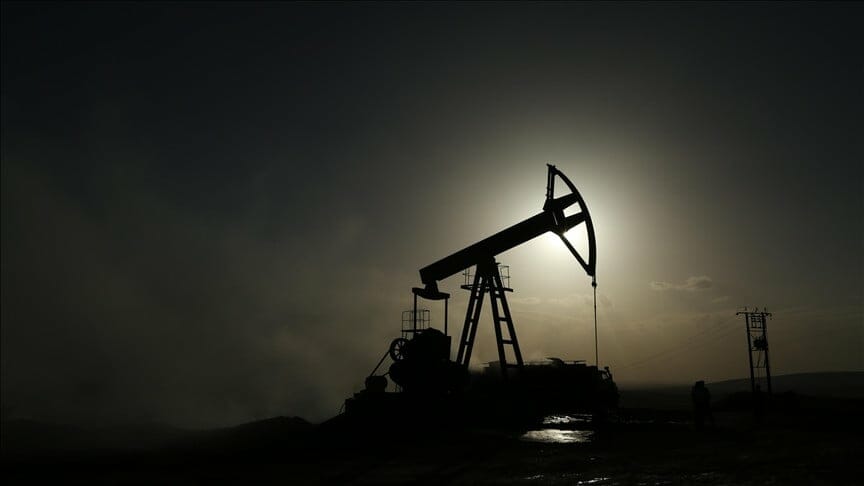
Oil prices slipped on Tuesday, giving back most of the previous session’s gains after Iran and Israel announced a halt to their latest exchange of attacks following an appeal from U.S. President Donald Trump. Despite the pause, both sides warned that hostilities could resume, keeping geopolitical risk in focus for global energy markets.
Brent crude futures fell by $1.14, or 1.2%, to $93.11 a barrel at 0630 GMT, while U.S. West Texas Intermediate (WTI) dropped $1.30, or 1.4%, to $90.00 a barrel. The declines came after prices had surged by as much as 5% in the previous session amid renewed Israeli strikes on Iran and escalating violence linked to Lebanon, which had heightened fears of a broader regional conflict disrupting oil supply routes.
Market sentiment shifted after Iran’s armed forces announced an end to their latest military operations against Israel. The announcement helped ease immediate supply disruption concerns, though analysts cautioned that the situation remains highly unstable.
“While there is some relief from the latest pause in direct strikes, investors are not convinced the truce will hold,” said Tim Waterer, chief market analyst at KCM Trade. His comments reflect broader market skepticism that diplomatic interventions will stabilize the region in the near term.
The temporary de-escalation follows a series of rapid developments, including Iranian missile launches and Israeli retaliatory strikes, which had initially driven crude prices higher on expectations of prolonged conflict.
However, uncertainty persists as both Tehran and Jerusalem indicated that military action could resume. Iran has warned it would restart strikes if Israel continues operations against Hezbollah targets in Lebanon, keeping traders wary of renewed escalation.
Energy analysts say oil markets are likely to remain volatile, with prices closely tracking headlines from the Middle East as investors weigh the risk of supply disruptions against fragile diplomatic efforts.