Certified tax practitioners have been cautioned to prepare for stricter monitoring, enforcement and compliance measures as authorities intensify efforts to strengthen accountability and curb activities that could undermine Nigeria’s tax system.
The warning was issued at the official presentation of practice licences to 95 certified tax practitioners by the Chartered Institute of Taxation of Nigeria (CITN).
Speaking at the event, Senior Partner at Kreston Pedabo, Khilian Khanoba, in a presentation titled “Practising in Nigeria’s New Tax Ecosystem: Ethics, Digital Competence and Professional Excellence,” urged the newly licensed professionals to uphold the highest ethical standards in their practice.
He advised them to act with responsibility when representing clients and ensure that public and national interest remain their top priority at all times.
“You are being watched. You must understand anti-laundering laws, if you see something, say something and mind how you use the bond of confidentiality. You must beware of Artificial Intelligence (AI) and its consequences. You must be honest and of sound judgement,” he said.
Khanoba further warned that tax practitioners must be cautious in their professional conduct, stressing that they represent the image of the institute and must avoid actions that could damage public trust in the profession.
He also emphasised the importance of ethical decision-making, digital competence and continuous professional development in an evolving tax environment.
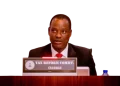
In his remarks, the President and Chairman of Council of CITN, Mr. Innocent Ohagwa, said the institute is engaging strategic government agencies to ensure that qualified tax professionals are recognised as tax agents and integrated into relevant ministries, departments and agencies.
According to him, such engagements are critical to strengthening revenue administration, reducing leakages and improving fiscal performance across government institutions.
He reminded practitioners that they must strictly adhere to the institute’s Charter, Professional Rules and Practice Guidelines (PRPG), and Statements of Taxation Standards (STS 1–9), which serve as their professional guide.
“You are expected to demonstrate full compliance with extant tax laws and all relevant regulations issued by the relevant constituted authorities, including the Office of the Tax Ombuds and the Joint Revenue Board,” he said.
Ohagwa warned that the institute would not hesitate to apply disciplinary measures in cases of professional misconduct, noting that its investigative panel and disciplinary tribunal remain active in safeguarding the integrity of the profession.
He also stressed that participation in training programmes remains mandatory for all members, given the rapidly evolving nature of the tax landscape.
“The tax environment is evolving rapidly and your technical competence must remain current, relevant and responsive to emerging fiscal realities,” he added.
Chairman of the Membership and Professional Conduct Committee, Yemi Sanni, described the practice licence as more than a certificate, calling it a symbol of competence, integrity, accountability and professional responsibility.
He said practitioners must serve as ambassadors of the profession and uphold ethical values that sustain public confidence in the tax system.
“This licence comes with significant obligations. You are our ambassador and custodians of ethical values. The credibility of our profession depends not only on technical competence but also on integrity,” he said.
During a panel session, senior tax professionals also advised the new practitioners to prioritise trust, professionalism and continuous learning in their careers.
They urged them to remain vigilant on cyber security and data privacy issues while continuously upgrading their technical and commercial skills to remain competitive in a fast-changing financial environment.
Experts at the event agreed that the tax profession is increasingly becoming technology-driven, requiring practitioners to combine ethical responsibility with digital competence to effectively deliver value in Nigeria’s evolving fiscal ecosystem.