ADVERTISEMENT
  • Africa
  • World
  • Our Shows
    • Entrepreneurship
    • Destination Business
    • 101business TV Show
Business 360 News
  • Home
  • Africa
    • East Africa
    • West Africa
    • South Africa
  • News
    • Feature
  • Economy
    • Maritime
    • Agriculture
      • Agribusiness
    • Energy
      • Electricty
      • Oil
      • Petrol
      • Gas
  • Finance
    • Insurance
    • Tax
    • Real Estate
  • Capital Market
  • Tech
    • ICT
    • Solar Energy
    • Electric Vehicles
    • Blockchain
    • IoT
    • AI
    • EV
  • SMEs
    • Success Stories
    • Start-Ups
    • Entrepreneurship
  • Global Economy
    • UK
    • US
    • Russia
    • CHINA
    • Japan
  • Business 360 Weekly
No Result
View All Result
  • Home
  • Africa
    • East Africa
    • West Africa
    • South Africa
  • News
    • Feature
  • Economy
    • Maritime
    • Agriculture
      • Agribusiness
    • Energy
      • Electricty
      • Oil
      • Petrol
      • Gas
  • Finance
    • Insurance
    • Tax
    • Real Estate
  • Capital Market
  • Tech
    • ICT
    • Solar Energy
    • Electric Vehicles
    • Blockchain
    • IoT
    • AI
    • EV
  • SMEs
    • Success Stories
    • Start-Ups
    • Entrepreneurship
  • Global Economy
    • UK
    • US
    • Russia
    • CHINA
    • Japan
  • Business 360 Weekly
No Result
View All Result
Business 360 News
No Result
View All Result
Home Africa

Liberia Agrees to Accept Up to 1,200 Third-Country Deportees From the United States

Oyinkansola Lemo by Oyinkansola Lemo
August 19, 2026
in Africa
0
Liberia Agrees to Accept Up to 1,200 Third-Country Deportees From the United States

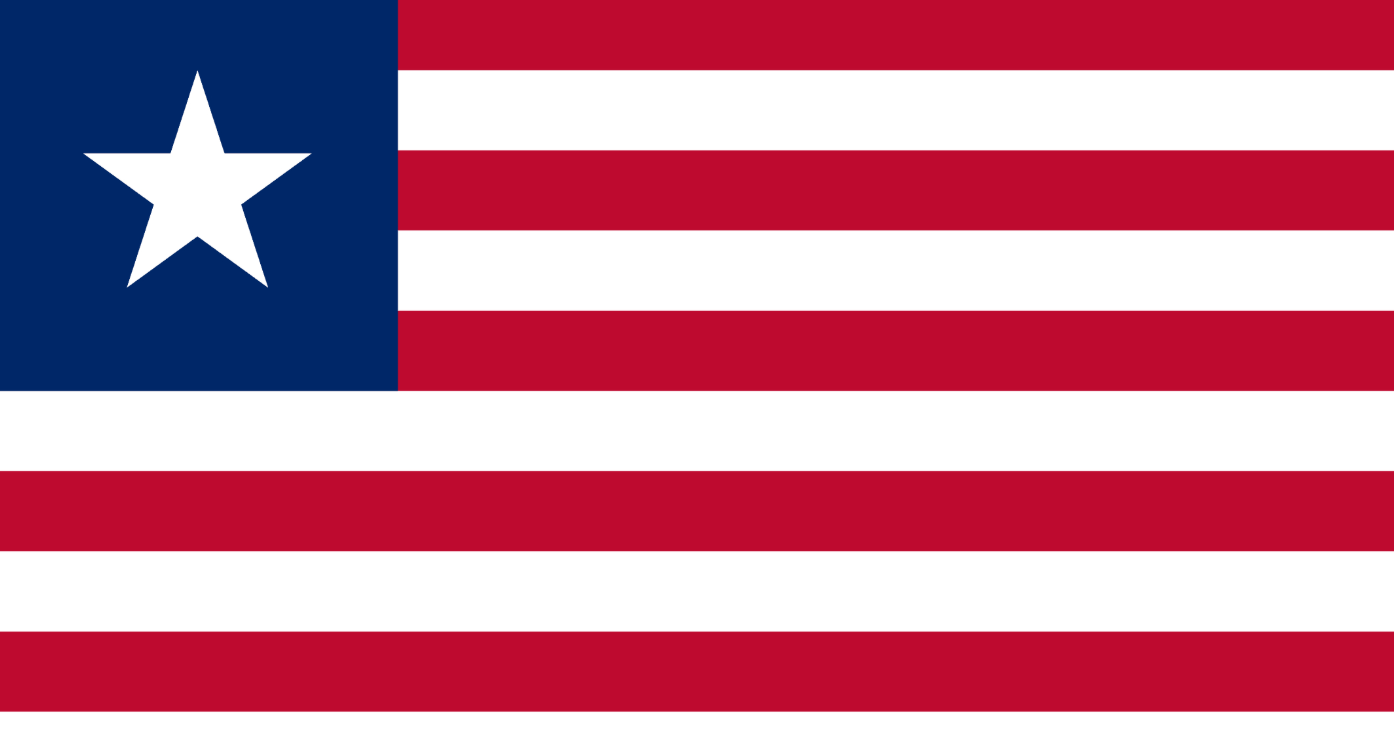
Liberia has agreed to accept up to 1,200 third-country deportees from the United States over the next 12 months under a new migration arrangement announced on Tuesday.

The Liberian government said an initial group of about 20 people was expected to arrive soon. The agreement forms part of a wider effort by the United States to transfer certain deportees to countries other than their countries of origin.

The arrangement has immediately attracted attention because the people involved are expected to include citizens or nationals from African and Western Hemisphere countries rather than only Liberian citizens.

According to the Liberian government, the deportees will be received as “guests”. They will have the option of applying for asylum in Liberia or leaving the country if they choose.

Officials also said the agreement was not a quid pro quo arrangement with Washington, meaning Liberia said it was not formally demanding compensation in exchange for accepting the deportees.

However, the government said it would receive support to help manage the programme and strengthen Liberia’s migration system. Further details about the exact form of that support were not immediately provided.

Why the United States is using third-country arrangements

The agreement is connected to a broader US immigration strategy.

Some people facing deportation from the United States cannot easily be returned to their countries of origin. In many cases, immigration judges have granted them legal protection against being sent home because they could face torture or other serious abuses.

The United States has therefore reached agreements with other countries willing to receive some of these individuals.

Washington has defended the arrangements as lawful. However, rights groups and immigration advocates have raised concerns about the lack of public information surrounding some of the deals and the long-term future of people transferred to countries that are not their original homes.

Liberia is not the only African country to have accepted third-country deportees. Similar arrangements have involved countries including the Democratic Republic of Congo, Central African Republic, Equatorial Guinea, Cameroon, Ghana and Sierra Leone.

Liberia highlights its history of offering refuge

The Liberian government referred to the country’s history when explaining the new arrangement.

Liberia was founded as a settlement for formerly enslaved people from the United States and has a long historical connection with migration and resettlement.

Officials also pointed to Liberia’s experience of accepting people seeking safety from political and other crises.

The government used this history to explain why it believes the country can play a role in receiving people under the programme.

President Joseph Boakai was among five West African leaders who travelled to the White House last year for discussions with US President Donald Trump. Reuters previously reported that Trump encouraged the leaders to accept third-country deportees.

Questions remain about the deportees

While the agreement has been announced, several important details remain unclear.

The government did not publicly identify the nationalities of the people expected to arrive. The US State Department also said it does not disclose such information.

Liberia said the individuals would be medically authorised to travel.

However, there are still questions about how the programme will operate over the full 12-month period and what support will be available for those transferred to Liberia.

The issue of accommodation, legal status and long-term settlement may become increasingly important as more people arrive.

If an individual chooses to apply for asylum, Liberia’s authorities will need to process the application through the country’s migration and refugee systems.

Others may choose to leave Liberia voluntarily.

Public debate likely to grow

Migration agreements often create strong public debate because they involve issues of national sovereignty, security, humanitarian responsibility and government resources.

Supporters may argue that countries should cooperate internationally to manage complex migration challenges.

Critics may question whether a country has enough resources to receive large numbers of people from different parts of the world, particularly when the people involved may have no previous connection to the destination country.

Liberia’s decision to accept up to 1,200 people could therefore become an important political and public policy issue.

The government will likely face questions about how the arrivals will be managed and how the programme will affect local communities.

The fact that the first group is relatively small may allow authorities to test the system before larger numbers arrive.

A wider African migration issue

The Liberia agreement also highlights Africa’s growing role in international migration arrangements.

Several African governments have entered agreements to receive third-country deportees from the United States. Each deal has raised questions about transparency, financial support and the rights of those being transferred.

For the people involved, being deported to a country that is not their homeland can create serious uncertainty.

They may have to adjust to a new society, understand a different legal system and decide whether to seek asylum, remain temporarily or try to move elsewhere.

What happens next?

The first group of around 20 deportees is expected to arrive shortly.

Liberian authorities will then begin implementing the arrangement in practice. How the first arrivals are received and managed may influence public opinion about the wider programme.

The government says the people will be treated as guests and will have choices regarding asylum or departure.

However, the agreement will continue to attract attention as Liberia prepares to receive as many as 1,200 third-country deportees over the next year.

The development is another sign that migration policies are increasingly being shaped by international agreements involving countries far beyond a migrant’s original homeland.

For Liberia, the coming months will test whether it can manage the programme effectively while balancing humanitarian responsibilities, national interests and the needs of the people arriving in the country.


Previous Post

EFCC Recovers N4.49bn Diesel in Alleged Theft Case Involving Ibafon Oil and Gas

Next Post

Trump Says No Iran Talks Underway as Hormuz Dispute Sends Oil Prices Higher

Oyinkansola Lemo

Oyinkansola Lemo

Next Post
Iran Sets Six Conditions for Reopening Strait of Hormuz as Shipping Disruption Deepens

Trump Says No Iran Talks Underway as Hormuz Dispute Sends Oil Prices Higher

Leave a Reply Cancel reply

Your email address will not be published. Required fields are marked *

  • Trending
  • Comments
  • Latest
FMDQ Exchange Admits Flour Mills of Nigeria’s ₦30.00bn Commercial Paper Notes

FMDQ Admits TSL SPV PLC ₦12.00 billion Series 1 Guaranteed Fixed Rate Infrastructure Bond to its Platform

March 11, 2021
NIBSS Downtime Causes Delays in Electronic Transactions, Fintechs Alert Customers

NIBSS Downtime Causes Delays in Electronic Transactions, Fintechs Alert Customers

June 7, 2024
Asian Stocks Hit Record High as US Tech Rebound Lifts Market Sentiment

Asian Stocks Hit Record High as US Tech Rebound Lifts Market Sentiment

February 10, 2026
NCAC inaugurates Creative Industry Sub-Committees

NCAC inaugurates Creative Industry Sub-Committees

September 20, 2020
‘The existence of a production hub in Nigeria will go a long way for the Fashion Industry’. FUNMI RUFAI LADIPO, President Fashion Designers Association of Nigeria.(FADAN)

‘The existence of a production hub in Nigeria will go a long way for the Fashion Industry’. FUNMI RUFAI LADIPO, President Fashion Designers Association of Nigeria.(FADAN)

25
Goldlink’s restructures board

Goldlink’s restructures board

10
Airtel Africa Plc gets admitted to the NSE Main Board

Airtel Africa Plc gets admitted to the NSE Main Board

6
Stallion Tank Farm resumes operations

Stallion Tank Farm resumes operations

3
FG, UNICEF, ILO Move to Revamp Youth Employment Plan for 21st-Century Jobs

FG, UNICEF, ILO Move to Revamp Youth Employment Plan for 21st-Century Jobs

September 10, 2026
FG Tightens University Accreditation Rules, Warns Institutions Against Borrowing Staff, Facilities

FG Tightens University Accreditation Rules, Warns Institutions Against Borrowing Staff, Facilities

September 10, 2026
Donald Duke Pushes Digital Voting Reform, Says Technology Can Strengthen Election Credibility

Donald Duke Pushes Digital Voting Reform, Says Technology Can Strengthen Election Credibility

September 10, 2026
Opposition Challenges Tinubu Over Government Spending as Accountability Becomes 2027 Campaign Issue

Opposition Challenges Tinubu Over Government Spending as Accountability Becomes 2027 Campaign Issue

September 10, 2026
Business 360 News

Business 360 News is a Business and Financial News Platform with an SMEs drive. Published by 360 Network Limited, and created with the aim of disseminating unbiased business stories to readers within and outside Nigeria, providing in-depth analysis of our stories from a critical perspective against the backdrop of realities, actualities, objectivity and balance.

Follow Us

Browse by Category

  • Africa
  • Agribusiness
  • Agriculture
  • AI
  • Art
  • Arts
  • Aviation
  • Banking
  • Blockchain
  • Business 360 Weekly
  • Business news
  • Business Travels
  • Capital Market
  • CHINA
  • Corporate
  • Cryptocurrency
  • Destination Business
  • East Africa
  • Economy
  • Education
  • Electric Vehicles
  • Electricty
  • Energy
  • Entertainment
  • Entertainment
  • Entrepreneurship
  • EV
  • Fashion
  • Fashion
  • Feature
  • Finance
  • Gas
  • Global Economy
  • Health
  • Hospitality
  • ICT
  • Insurance
  • IoT
  • Japan
  • Lifestyle
  • Luxury
  • Maritime
  • Meetings
  • Mortgage
  • News
  • NGOs
  • Oil
  • Petrol
  • Political Economy
  • politics
  • Real Estate
  • Real Estate
  • SMEs
  • Society
  • Solar Energy
  • South Africa
  • Sports
  • Start-Ups
  • Stocks
  • Success Stories
  • Tax
  • Tech
  • Tourism
  • Transportation
  • UK
  • Uncategorized
  • US
  • West Africa
  • World

Recent News

FG, UNICEF, ILO Move to Revamp Youth Employment Plan for 21st-Century Jobs

FG, UNICEF, ILO Move to Revamp Youth Employment Plan for 21st-Century Jobs

September 10, 2026
FG Tightens University Accreditation Rules, Warns Institutions Against Borrowing Staff, Facilities

FG Tightens University Accreditation Rules, Warns Institutions Against Borrowing Staff, Facilities

September 10, 2026
  • Africa
  • World
  • Our Shows

© Business 360 News - Business, Finance And SMEs News | Design by Manifest!

No Result
View All Result
  • Home
  • Africa
    • East Africa
    • West Africa
    • South Africa
  • News
    • Feature
  • Economy
    • Maritime
    • Agriculture
      • Agribusiness
    • Energy
      • Electricty
      • Oil
      • Petrol
      • Gas
  • Finance
    • Insurance
    • Tax
    • Real Estate
  • Capital Market
  • Tech
    • ICT
    • Solar Energy
    • Electric Vehicles
    • Blockchain
    • IoT
    • AI
    • EV
  • SMEs
    • Success Stories
    • Start-Ups
    • Entrepreneurship
  • Global Economy
    • UK
    • US
    • Russia
    • CHINA
    • Japan
  • Business 360 Weekly

© Business 360 News - Business, Finance And SMEs News | Design by Manifest!