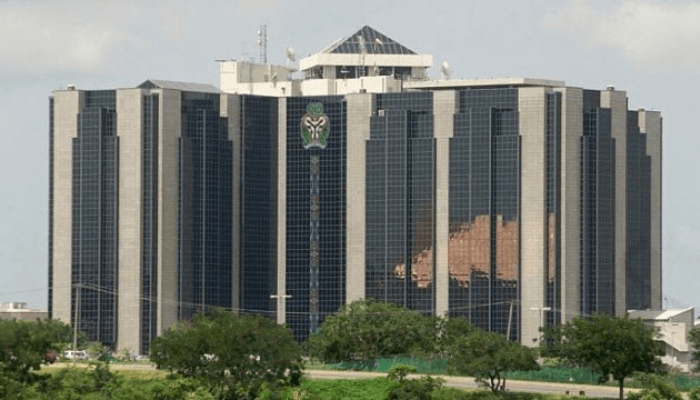
Economist and BudgIT co-founder, Oluseun Onigbinde, has urged the Central Bank of Nigeria (CBN) to leverage the country’s stronger external reserves to support the naira and ease pressure on households.
Onigbinde made the call amid renewed demands for the Federal Government to reconsider the removal of petrol subsidy. He argued that returning to the former subsidy regime would be wasteful and unsustainable because Nigeria currently lacks sufficient domestic production capacity to provide a broad-based discount on petrol without placing another significant burden on public finances.
Instead, he urged the government to focus on using the gains from subsidy removal to strengthen the economy while providing targeted social protection for vulnerable Nigerians.
His comments come as Nigeria’s external reserves have risen significantly in 2026. According to the latest CBN data reported on August 25, the country’s reserves stood at about $52.83bn as of August 21, representing an increase of approximately $7.27bn from the beginning of the year.
The stronger reserve position provides the monetary authorities with a larger external buffer to manage foreign exchange pressures and strengthen confidence in the naira.
Writing on his X page, Onigbinde urged the CBN to “quietly strengthen the naira” using the improved reserve position while the Federal Government works to increase oil production and expand non-oil exports.
He said stronger foreign exchange earnings would be necessary to ensure that any improvement in the exchange rate is supported by a sustainable increase in dollar inflows.
The CBN identifies preserving the value of the domestic currency and maintaining a favourable external reserves position among the objectives of Nigeria’s exchange-rate policy.
Onigbinde argued that a stronger naira could deliver broader fiscal and economic benefits. He said an exchange rate closer to N1,000 to the dollar could reduce the naira cost of servicing foreign-currency debt while also helping to lower imported inflation and broader price pressures.
He, however, stressed that exchange-rate policy alone would not resolve the economic hardship facing Nigerians.
The economist called on the Federal Government and state governments to establish a credible social protection framework, including consideration of a dedicated Federation fund for safety nets.
Onigbinde also urged the Federal Government to create incentives and “nudges” for states to improve their fiscal performance, arguing that simply highlighting increased allocations to states would not be enough to address citizens’ concerns.
“There is still huge trust deficit as well as asymmetry on how funds directly benefit citizens,” he said.
He stressed the need for government to clearly communicate the intended outcome of the ongoing economic reforms and explain what the end point of the current adjustment process would look like for Nigerians.
Onigbinde also questioned how government savings and fiscal buffers were being managed. He argued that mechanisms such as the Excess Crude Account should not be dismissed, noting that such buffers had served a useful purpose during periods of revenue shortfalls.
He further maintained that the Federal Government must take responsibility for providing relief to citizens because it made the major policy decisions around subsidy removal and exchange-rate reforms and receives a significant share of the resulting fiscal gains.
“The solution is therefore not a return to an expensive, generalized fuel subsidy, but a broader economic compact combining a stronger naira, higher production, targeted safety nets and greater transparency over how the fiscal gains from reform are being deployed,” Onigbinde said.