The Nigeria Association of Tour Operators (NATOP) has marked the 2026 World Tourism Day with a nationwide programme combining capacity building, artificial intelligence, destination promotion and domestic tourism, as the association moves to equip operators for the changing digital travel market.
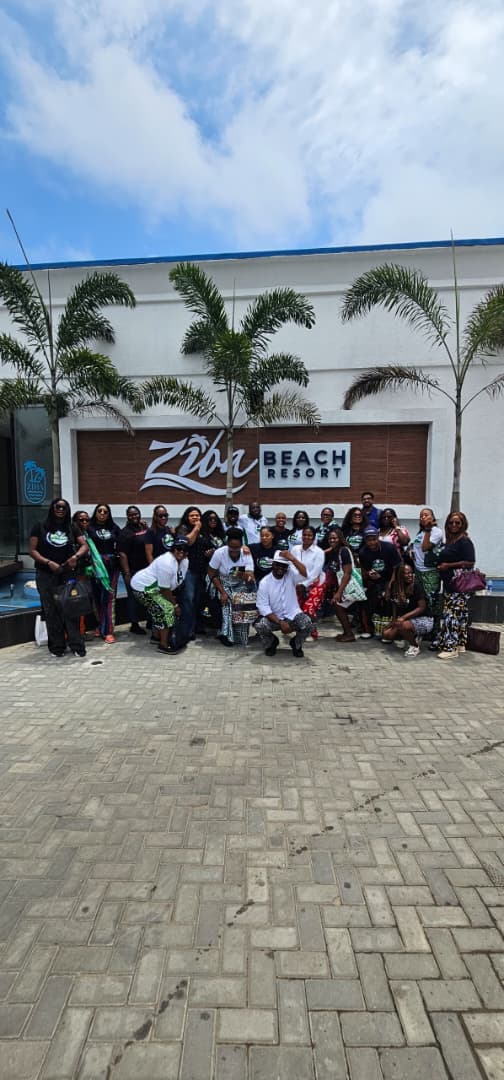
Rather than limiting the annual celebration to ceremonial activities, NATOP used the occasion to return members to the classroom, with nearly 200 tour operators gathering at Ziba Beach Resort in Lagos for specialised training on artificial intelligence and its application to tourism businesses.
Activities were also held across other parts of the country.
In Abuja, NATOP’s Federal Capital Territory and Northern Zone collaborated with Naija Adventurers to organise a Tourism Awareness Walk and Hike to the Centre of Nigeria, while members in the South-South marked the occasion with a destination tour and other tourism-focused activities.
The multi-zone programme was designed around the 2026 World Tourism Day theme, “Digital Agenda and Artificial Intelligence to Redesign Tourism.”
NATOP Takes Tour Operators Back to Classroom
NATOP President, Hajia Bolaji Mustapha, said the decision to focus heavily on training was intended to help members understand how emerging digital tools can improve their businesses and the way Nigerian destinations are marketed.
According to her, artificial intelligence is increasingly changing how tourism businesses develop content, communicate with potential travellers and showcase destinations.
“We follow the theme and, you know, blend with the old situation. Let’s do the training so that we attach it to the World Tourism Day with the theme that we have achieved something and also celebrate,” Mustapha said.
She explained that the programme was designed to show operators how to conduct their tourism businesses more effectively, promote destinations digitally and use different AI tools to strengthen their operations.
The NATOP president said the training should enable members to produce stronger digital content and tell destination stories more effectively using artificial intelligence.
For tour operators, the development is particularly important as travellers increasingly discover destinations through websites, social media, video and other digital platforms before deciding where to visit.
‘Tour Operators Must Align With Digital Revolution’
Mustapha said Nigerian tour operators must improve their digital capabilities if they are to remain competitive in a tourism industry increasingly influenced by online creators and technology.
“As tour operators who are willing to tell the good story of our Nigeria, we need to bring ourselves up to speed, align with the digital revolution. Let everybody go digital,” she said.
She noted that content creators had increasingly moved into areas traditionally associated with tourism promotion, making it necessary for professional tour operators to strengthen their own storytelling capabilities.
According to her, tour operators have an advantage because they understand the tourism business and destinations beyond simply creating attractive content.
“We are the ones that understand the business and we’ll be able to tell the story better, so that anybody coming to Nigeria will be able to discover Nigeria with the experts,” she added.
The emphasis reflects NATOP’s wider effort to position its members not merely as travel intermediaries but as professionals capable of designing experiences, packaging destinations and influencing how Nigeria is presented to domestic and international travellers.
Why NATOP Chose Ziba Beach Resort
The association also used the World Tourism Day programme to promote domestic tourism by hosting the South-West event at Ziba Beach Resort in Lagos.
Mustapha explained that NATOP traditionally connects its World Tourism Day activities with a tourism destination, allowing members to experience facilities they could subsequently market to clients.
She said the association selected Ziba partly because the resort had recently launched its third phase, providing operators with an opportunity to inspect its accommodation and other facilities.
The operators were taken on a facility tour during the programme and also had an opportunity to unwind at the resort.
Mustapha said exposing operators directly to Nigerian tourism products makes it easier for them to market destinations from firsthand experience.
The intention, she explained, was to showcase the resort as a Nigerian destination and strengthen operators’ ability to sell it to travellers.
Training Critical to Tourism Industry Growth
NATOP Vice President, South-West, and Chairman of the zone’s World Tourism Day Organising Committee, Mrs Wonuola Olatunde-Lamidi, said the association deliberately prioritised education because skills gaps remain within the tour-operating industry.
According to her, some operators still lack a proper understanding of fundamental aspects of the business, including the process of developing marketable tour packages.
“Many don’t understand the foundation of what it is to create a tour package. And when you have people that are not well-trained in an industry, the industry will not grow,” she said.
Olatunde-Lamidi, who said she has worked in the industry for 16 years and runs Diamonds and Pearls Travels with her husband, stressed that professional development could help tour operators build stronger businesses and increase their earning capacity.
She cited the evolution of Diamonds and Pearls Travels from a conventional travel agency into a Destination Management Company (DMC) as an example of how tourism businesses can develop beyond ticketing and basic travel services.
Tour Operators Can Influence Where Nigerians Travel
Olatunde-Lamidi also stressed the role tour operators play in shaping travellers’ destination choices.
According to her, an operator who understands destination marketing can generate interest in a location by presenting its attractions and experiences effectively.
“You may not realise that, as tour operators, you can actually decide where people go,” she said.
“You can make people go to a particular destination by marketing it, by letting them know the benefits of that destination.”
That approach could become increasingly important to the development of Nigeria’s domestic tourism market.
For NATOP, combining AI training with physical destination experiences represents an attempt to connect technology with practical tourism knowledge.
The association’s 2026 World Tourism Day activities consequently moved beyond celebration to focus on developing operators capable of creating better tourism products, using digital tools more effectively and telling stronger stories about Nigerian destinations.
With activities simultaneously spanning Lagos, Abuja and the South-South, NATOP also used the occasion to reinforce the potential for tourism experiences across different parts of the country.