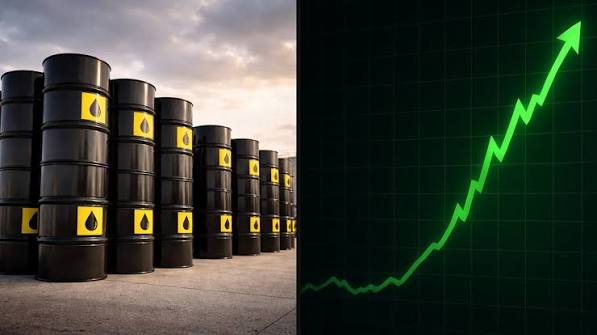
Oil prices rose for a second consecutive session on Tuesday as continuing concern about Middle East supply disruptions outweighed evidence that crude exports from major producers in the region were recovering.
Brent crude futures increased $1.49, or 1.4 per cent, to $106.77 per barrel by 0326 GMT.
US West Texas Intermediate gained $1.34, or 1.5 per cent, to $93.94 per barrel.
Both benchmarks had closed the previous session nearly $1 a barrel higher. Pasted markdown
Gulf Exports Recover
Preliminary figures from data provider Kpler showed crude exports from major Middle Eastern producers increased to 12.8 million barrels per day in September, the highest level since February.
The recovery was supported by increased shipments from Saudi Arabia and the United Arab Emirates.
However, traders remain cautious because some of the additional exports depend on alternative logistics arrangements, including ship-to-ship transfers.
KCM Trade chief analyst Tim Waterer said a clearer picture was emerging of stronger oil export volumes leaving the Gulf, but much of the increase continued to rely on workarounds.
Those methods, he said, were less efficient and more expensive than conventional operations, helping keep crude prices elevated. Pasted markdown
Supply Risks Support Prices
The competing signals explain the market’s current tension.
On one side, higher export volumes suggest producers are finding ways to maintain supply.
On the other, continuing disruptions and higher transportation costs mean markets are unwilling to assume normal supply conditions have returned.
Sustained crude prices above $100 could have implications well beyond oil-producing countries.
Energy is a major input for transportation, manufacturing and agriculture, meaning prolonged price increases can feed into inflation and influence monetary-policy decisions.
For oil-importing economies, higher crude prices can also increase foreign-exchange requirements and fuel-import costs.
Markets will therefore continue watching both diplomatic developments and physical export flows from the Middle East for clearer signs about the direction of global energy prices.