Nigeria’s efforts to strengthen domestic internet traffic exchange are placing data-centre operators, telecommunications companies and internet service providers at the centre of a broader push to improve connectivity and support the country’s growing digital economy.
The issue is expected to feature prominently at the 2026 Nigerian Peering and Interconnection Forum, scheduled for October 28 and 29 in Lagos. The event is expected to bring together regulators, network operators, data-centre providers and technology companies to examine how stronger local interconnection can improve internet performance and infrastructure efficiency.
Why local internet traffic matters
When a person in Nigeria accesses a website, streams video or uses a digital service, the data involved may travel through several networks before reaching its destination.
Where local traffic is exchanged through domestic infrastructure, data can often travel a shorter route. This can reduce latency—the time it takes for information to move between a user and a service—and improve the responsiveness of applications.
Local interconnection can also help telecommunications operators manage traffic more efficiently, particularly as demand grows for cloud services, digital payments, online entertainment and enterprise software.
However, the benefits depend on the availability of suitable infrastructure, reliable power, adequate network capacity and agreements that allow operators to exchange traffic efficiently.
Data centres become more important to the digital economy
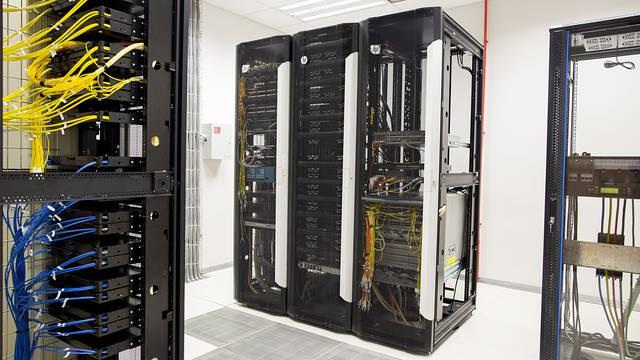
Data centres house servers, storage systems and networking equipment used to run websites, business applications, cloud services and digital platforms.
As Nigerian businesses move more operations online, demand for secure data storage, computing capacity and low-latency services is increasing.
Local infrastructure can make it easier for businesses to host applications closer to their customers. It can also support financial services, e-commerce, media distribution and other activities that depend on reliable access to digital systems.
But building and operating data centres requires substantial investment. Operators must manage electricity costs, backup power, cooling, connectivity, cybersecurity and the need to maintain service availability.
The growth of local data-centre capacity therefore depends not only on customer demand but also on the commercial viability of infrastructure projects.
Local exchange can reduce inefficiencies
Peering and interconnection arrangements allow networks to exchange traffic directly or through shared infrastructure rather than routing all traffic through distant networks.
A stronger domestic ecosystem could reduce unnecessary routing, improve performance for locally hosted services and help operators make better use of existing capacity.
It may also create opportunities for Nigerian infrastructure companies, internet service providers and content distributors to build services around local demand.
Nevertheless, local traffic exchange alone will not resolve every connectivity challenge. Network congestion, weak last-mile infrastructure, power interruptions and gaps in rural coverage can still affect service quality.
Business implications and investment needs
For businesses, better interconnection could improve the performance of digital services and support more reliable online transactions.
For infrastructure investors, growing demand for cloud computing, artificial intelligence and digital payments could strengthen the case for investing in data centres, fibre networks and internet exchange infrastructure.
The upcoming forum provides an opportunity for stakeholders to discuss the technical and commercial arrangements needed to support that growth.
The broader challenge is to ensure that investment in digital infrastructure translates into more reliable service, competitive costs and wider access for Nigerian consumers and businesses.