Research shows that 77% of prospective Middle East visitors prioritise luxury, while 70% of UAE and Saudi travellers seek spontaneous cultural experiences abroad.
The global travel and tourism industry is witnessing a growing shift towards experience-driven journeys, with cultural immersion, premium hospitality and spontaneous discovery emerging as major factors influencing travellers’ destination choices, according to a new report by Arabian Travel Market (ATM).
The ATM Travel Trends Report 2026, produced in association with Tourism Economics, an Oxford Economics company, identifies significant differences in the preferences of travellers considering visits to the Middle East and residents of Gulf countries travelling internationally.
The findings indicate that visitors interested in the Middle East increasingly combine cultural engagement with demand for premium experiences, while outbound travellers from the United Arab Emirates (UAE) and Saudi Arabia demonstrate a strong appetite for discovering unfamiliar customs and local traditions.
According to the report, 77 per cent of travellers considering a visit to the Middle East prioritise luxury when making booking decisions, compared with 51 per cent of those considering other destinations.
The research also identifies interaction with local communities as an important attraction, suggesting that authentic cultural access, locally hosted activities and personalised experiences could become increasingly valuable components of tourism offerings across the region.
Cultural and religious events are also playing a significant role in destination selection. Among travellers interested in visiting the Middle East who travel for events, 55 per cent identify cultural events as a motivation, compared with 42 per cent among those considering other destinations.
Religious events similarly attract greater interest, accounting for 22 per cent of preferences among the Middle East-focused group, against 13 per cent for other destinations.
The report’s findings reflect a broader international movement towards cultural immersion. Research from Skift’s State of Travel 2026, cited in the report, shows that cultural immersion ranks ahead of adventure and luxury seeking among global traveller preferences.
The study identifies 42 per cent of travellers in the Middle East and North Africa as cultural immersion travellers. The corresponding figures are 50 per cent in Asia, 39 per cent in North America and 36 per cent in Europe.
For outbound travel, the research highlights the growing cultural curiosity of residents in the Gulf region, particularly those from the UAE and Saudi Arabia.
Citing Hilton’s 2026 research, the ATM report states that approximately 66 per cent of travellers from both countries try to learn some of the local language before visiting a destination, representing the highest proportion among the 14 markets surveyed.
Beyond preparation, around 70 per cent actively seek out local customs they had not researched before arriving, indicating a preference for spontaneous cultural discovery during their trips.
This interest is also influencing accommodation decisions. Hilton’s research found that 81 per cent of UAE travellers book multiple hotels within a single destination, with 52 per cent doing so to experience different neighbourhoods and 46 per cent seeking to combine budget accommodation with luxury stays.
The findings suggest that accommodation providers and tour operators could benefit from offering more flexible travel packages that allow visitors to explore different communities, neighbourhoods and hospitality experiences within a single trip.
However, the report identifies a different set of priorities among visitors to South Asia, where food, family and flexible travel arrangements play a more prominent role in destination selection.
Eating and drinking activities rank among the leading motivations for this group, followed closely by the availability of family-friendly experiences.
The report describes these travellers as generally younger and exploratory, with preferences for longer stays, flexible itineraries and journeys involving multiple destinations.
It identifies culinary trails, multi-generational tourism products, transparent pricing and clearly defined package inclusions as important opportunities for businesses seeking to attract this segment.
Commenting on the findings, Danielle Curtis, Regional Portfolio Director for the UAE at RX Global, said the research highlights the differences in expectations among international traveller groups and the need for tourism businesses to respond with more tailored experiences.
She noted that cultural connection remains important to prospective visitors to the Middle East, but that such interest exists alongside a strong preference for premium hospitality and luxury experiences.
For UAE and Saudi outbound travellers, she said, the research points to curiosity and a willingness to explore local customs beyond what they have prepared for before travelling.
Curtis said destinations, hotels and tour operators could strengthen their offerings by making local experiences more visible and accessible, including through partnerships that connect accommodation providers with locally hosted activities.
She added that discussions at Arabian Travel Market 2027 would examine how businesses could collaborate to develop such products and make them easier for international travellers to discover and book.
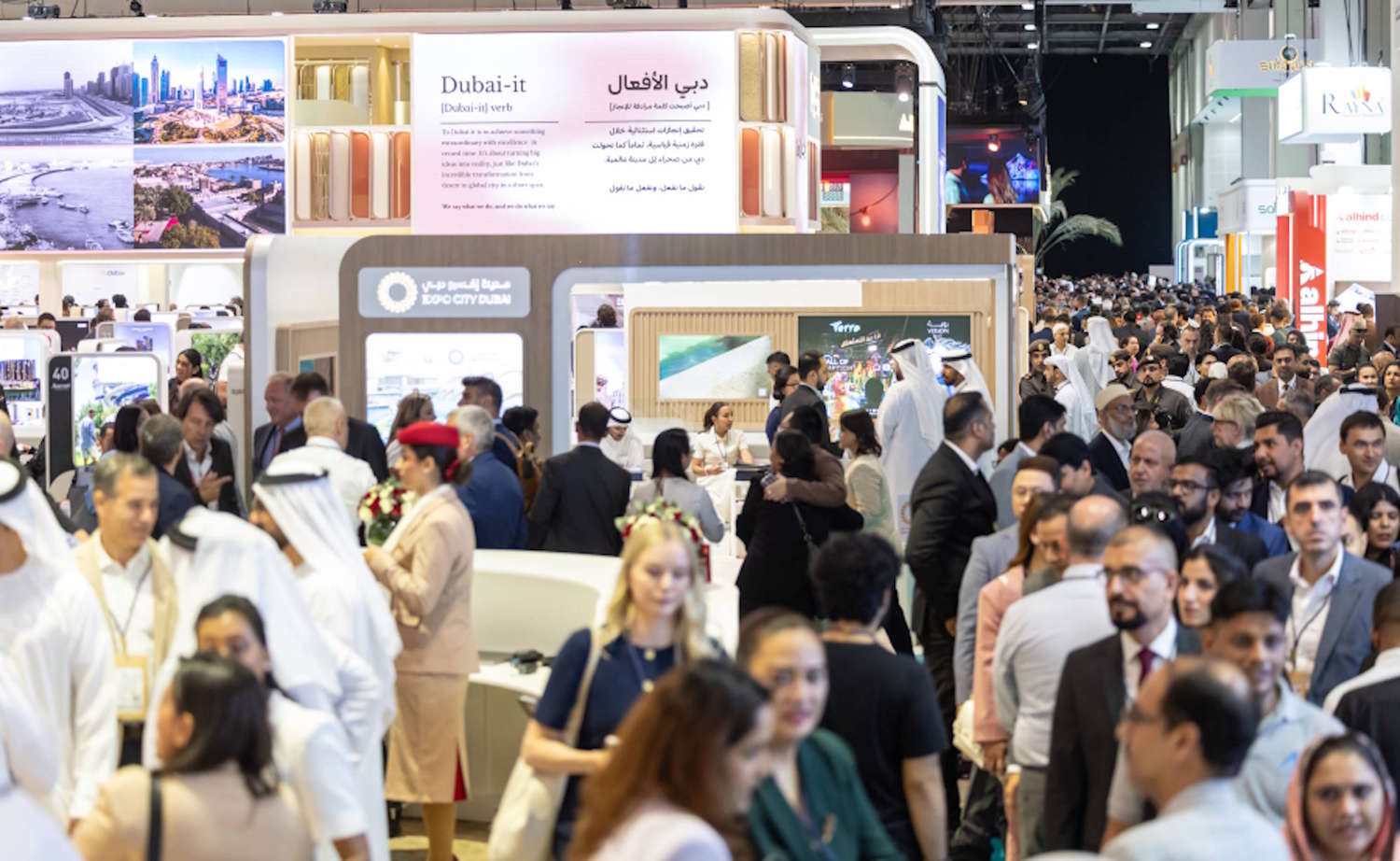
The findings are expected to shape discussions at the 34th edition of Arabian Travel Market, scheduled to hold from May 3 to 6, 2027, at the Dubai World Trade Centre under the theme, “Travel without boundaries: Shaping global travel through experience.”
The event will bring together destinations, hospitality companies, tour operators and travel technology providers to examine emerging consumer preferences and their implications for tourism investment, product development and international partnerships.
ATM 2027 is expected to attract more than 37,500 visitors, including over 8,000 buyers, alongside more than 2,000 exhibiting companies. Its 2026 edition connected travel professionals from 141 countries and facilitated 31,902 confirmed business meetings.
As the industry responds to changing travel expectations, the report underscores the growing importance of combining cultural authenticity with quality hospitality, flexible accommodation and accessible local experiences.
For tourism operators, the emerging opportunity lies in moving beyond conventional destination marketing towards creating more personalised journeys that allow visitors to connect meaningfully with the places and communities they explore.