Asian stock markets recorded mostly positive performances on Wednesday, November 11, 2026, as strong demand for artificial intelligence (AI) semiconductor chips supported technology shares across the region.
The gains were led by Taiwan, where the benchmark Taiex increased by 2.1 per cent following the release of stronger-than-expected revenue figures from Taiwan Semiconductor Manufacturing Company (TSMC).
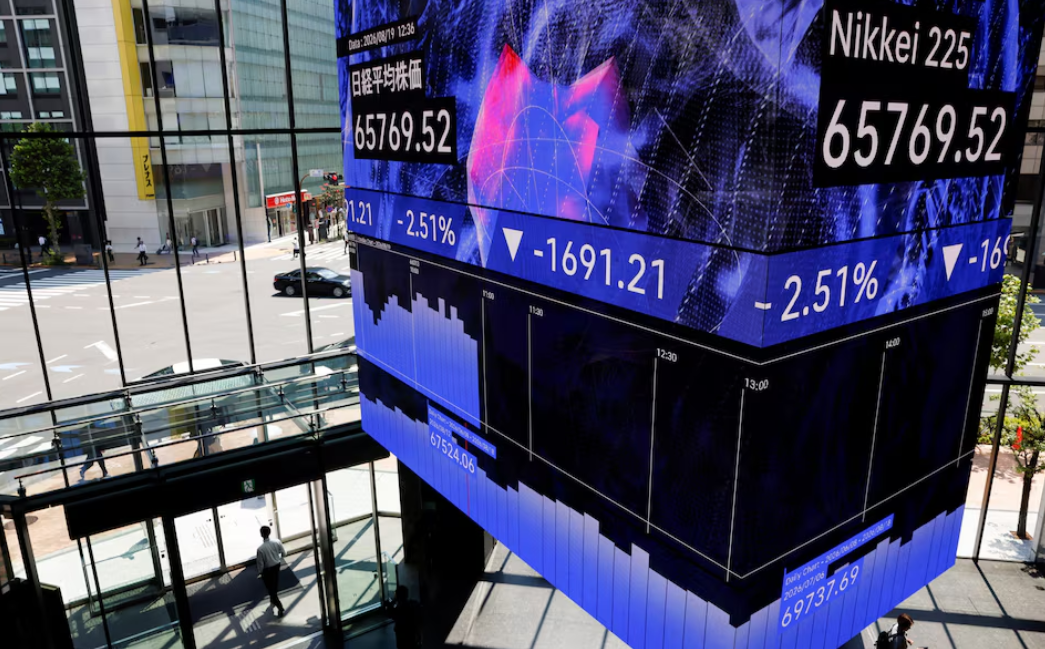
South Korea’s Kospi also advanced by 1.6 per cent, while Japan’s Nikkei 225 gained 0.8 per cent.
The positive performance came despite a decline in major US stock indexes on Tuesday, as investors continued to assess inflation concerns and the possibility of further interest-rate increases by the Federal Reserve.
The latest market movement highlights the growing influence of artificial intelligence on global investment decisions, particularly as semiconductor manufacturers benefit from increasing demand for advanced computing technologies.
TSMC revenue supports investor confidence
Taiwan Semiconductor Manufacturing Company, one of the world’s largest contract semiconductor manufacturers, reported a significant increase in revenue for October 2026.
In a statement released on November 10, the company disclosed that its consolidated revenue reached approximately NT$586.89 billion during the month.
This represented a 14.7 per cent increase compared with September 2026 and a 59.7 per cent rise compared with October 2025.
The company also reported that cumulative revenue between January and October 2026 reached approximately NT$4.49 trillion, representing a 43.3 per cent increase compared with the corresponding period in 2025.
The performance demonstrates the continued strength of demand for semiconductor products used in advanced computing, artificial intelligence systems and other technology applications.
TSMC manufactures chips for several major technology companies and plays an important role in the global semiconductor supply chain.
Its production capabilities are particularly important as technology companies invest heavily in data centres, AI infrastructure and advanced computing systems.
Following the revenue announcement, TSMC shares gained approximately 3.1 per cent in Taiwan’s market.
The company’s performance also helped strengthen sentiment among investors holding shares in other semiconductor and technology-related businesses.
Asian markets record gains
The positive movement extended beyond Taiwan, with major Asian markets also recording advances.
South Korea’s Kospi rose by 1.6 per cent, supported by improved sentiment towards technology-related shares.
Japan’s Nikkei 225 advanced by 0.8 per cent, reflecting gains in parts of the country’s equity market.
However, the performance was not uniform across the region.
Hong Kong and mainland Chinese markets recorded declines as investors assessed economic developments and awaited further information about consumer spending.
Market participants were particularly interested in Singles’ Day shopping figures, which could provide useful information about consumer demand in China.
Singles’ Day is one of the world’s largest shopping events and has become an important indicator of activity in China’s retail and e-commerce sectors.
Investors often use sales performance during the period to assess household spending, business activity and the strength of the Chinese consumer market.
Wall Street faces inflation pressure
While Asian technology shares advanced, US stock markets ended lower on Tuesday following hotter-than-expected October inflation data.
The S&P 500 declined by 0.4 per cent, while the Dow Jones Industrial Average lost 0.3 per cent.
The Nasdaq Composite, which has significant exposure to major technology companies, fell by 0.7 per cent.
The inflation figures renewed concerns about the direction of US monetary policy and increased expectations that the Federal Reserve could raise interest rates in December.
Higher interest rates generally increase borrowing costs for businesses and consumers.
They can also reduce the attractiveness of equities, particularly high-growth technology companies whose valuations depend heavily on expectations of future earnings.
The yield on the US 10-year Treasury note also climbed to 4.99 per cent, reflecting changing expectations in the bond market.
For investors, the possibility of higher interest rates creates uncertainty because monetary policy decisions can influence company borrowing costs, consumer spending and investment activity.
AI investment continues to shape global markets
Artificial intelligence has become one of the major drivers of investment activity in international financial markets.
Technology companies are investing heavily in the development of advanced computing systems, data centres and specialised semiconductor chips required to operate AI applications.
This has created additional demand for companies involved in chip manufacturing, semiconductor equipment and supporting technology infrastructure.
TSMC’s latest revenue performance provides another indication of the scale of activity in the semiconductor industry.
However, the growing importance of AI in global markets has also raised questions about company valuations and the sustainability of investment spending.
Some investors remain concerned that technology shares may become overvalued if expectations about future AI earnings rise faster than actual business performance.
This explains why strong revenue reports can support individual companies while broader technology markets remain sensitive to inflation, interest rates and changes in investor sentiment.
Implications for international investors
The latest developments demonstrate the different forces influencing global financial markets.
On one hand, strong semiconductor demand is supporting technology companies and creating investment opportunities across Asia.
On the other hand, inflation concerns and uncertainty over US monetary policy are limiting investor confidence in some markets.
For international investors, developments in major Asian economies remain important because the region plays a central role in global manufacturing and technology supply chains.
The performance of semiconductor companies can also influence investment decisions in other industries that depend on advanced computing.
For African markets, including Nigeria, changes in global investment sentiment can affect foreign portfolio flows, commodity prices and the availability of international financing.
Investors will therefore continue monitoring technology earnings, inflation figures and central bank decisions as they assess the direction of global equities.
For now, the latest gains in Asian markets highlight the continuing influence of AI-related demand on the global economy, even as inflation and interest-rate concerns remain important risks.