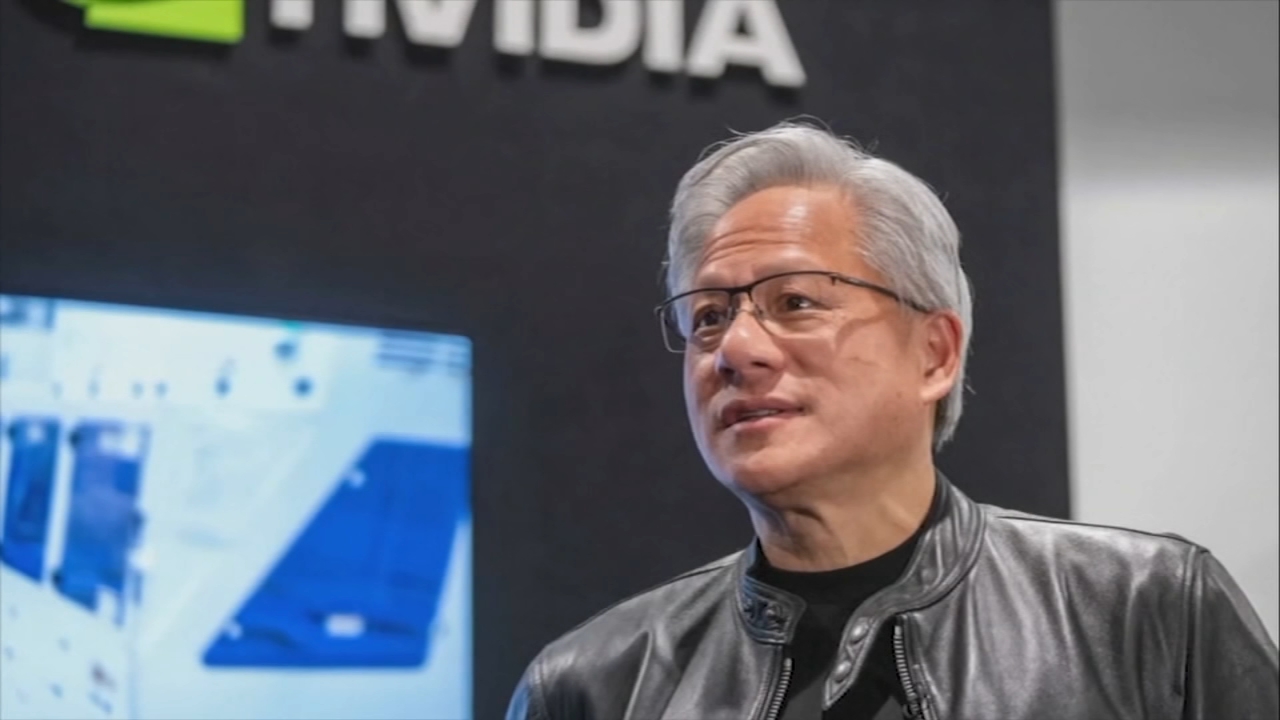
Fresh reports surrounding Nvidia Corporation Chief Executive Officer Jensen Huang have intensified concerns about corporate espionage and national security risks in the global artificial intelligence industry.
The controversy, which has reportedly involved allegations concerning Huang’s personal relationships and a woman suspected of having links to Chinese intelligence, has drawn attention to the growing security challenges facing technology companies operating at the centre of the global AI competition.
The reports have also raised questions about how governments and intelligence networks may seek access to sensitive corporate information, particularly in sectors involving advanced semiconductors, artificial intelligence systems and strategic technology development.
Nvidia occupies a critical position in the global AI ecosystem through its graphics processing units and related computing technologies, which are widely used in the development and operation of advanced artificial intelligence models.
Its products have become central to the infrastructure supporting AI research, cloud computing and data-centre expansion, making the company strategically important to governments and businesses seeking technological advantage.
The latest allegations have therefore placed renewed focus on the exposure of senior executives and technology firms to potential intelligence-gathering activities.
Corporate espionage has long been a concern in industries where proprietary research, technical expertise, supply-chain information and commercial strategies can provide significant competitive advantages.
However, the growing geopolitical rivalry over artificial intelligence has raised the stakes, as access to advanced computing technology is increasingly regarded as an economic and national security priority.
For technology companies, the issue extends beyond protecting computer systems and confidential documents. It also involves executive security, internal governance, due diligence, employee awareness and the management of relationships that could expose sensitive business information.
The controversy has also illustrated how reputational and governance concerns involving senior executives can quickly become market issues, particularly for companies whose valuations are closely linked to expectations about future technological leadership.
The allegations should, however, be distinguished from established findings. Any claims involving espionage or intelligence connections require credible evidence and confirmation through appropriate investigative processes.
The wider concern remains that as competition over artificial intelligence intensifies, companies developing strategically important technologies will face increasing pressure to strengthen safeguards against industrial espionage, cyber threats and attempts to obtain confidential information.