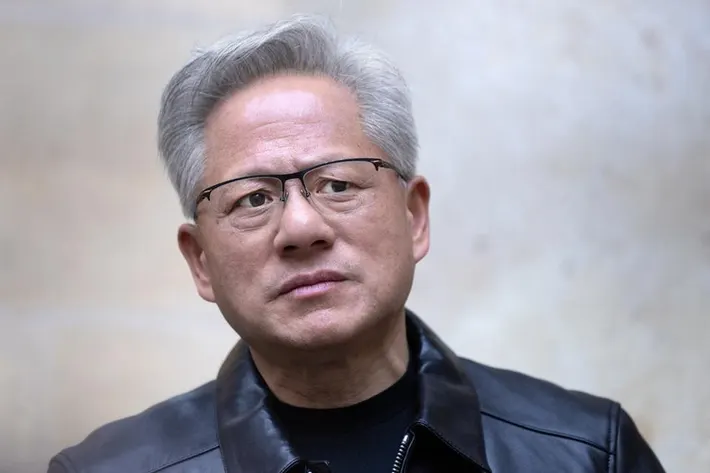
Investor confidence in Nvidia Corporation has come under pressure following reports surrounding Chief Executive Officer Jensen Huang, with the company’s leadership stability emerging as a fresh concern for shareholders.
The reported controversy has triggered questions about the potential implications for Nvidia’s management, corporate governance and long-term strategic direction, particularly as the chipmaker remains one of the most influential companies in the global artificial intelligence industry.
Nvidia’s market position is closely tied to the rapid expansion of artificial intelligence, with its semiconductor products providing essential computing capacity for data centres, advanced AI models and high-performance computing applications.
The company has benefited from strong demand for its graphics processing units as technology firms and governments increase spending on AI infrastructure.
However, the latest reports have introduced uncertainty into an investment narrative that has largely depended on Nvidia’s ability to maintain its technological advantage and meet growing demand from the global technology sector.
According to the reports, the company is examining the implications of allegations involving Huang and a woman reportedly suspected of having links to Chinese intelligence. The claims have also prompted speculation about possible leadership succession arrangements.
The allegations remain distinct from any established finding of wrongdoing, and the company’s response and the outcome of any investigation will be important in determining their implications.
For investors, the immediate concern is whether the controversy could affect executive continuity, corporate reputation or the company’s ability to sustain its current growth trajectory.
Huang has been a central figure in Nvidia’s expansion and its transformation into a leading supplier of AI computing infrastructure. Any uncertainty surrounding his position could therefore attract significant market attention.
Nevertheless, Nvidia’s long-term performance will also depend on factors beyond its chief executive, including product development, competition in the semiconductor industry, customer demand, supply-chain capacity and the sustainability of global AI spending.
The latest developments underline the extent to which leadership, corporate governance and geopolitical considerations can influence valuations in strategically important technology companies.
As investors assess the situation, the distinction between unverified allegations and confirmed corporate developments will remain important in evaluating Nvidia’s business outlook.