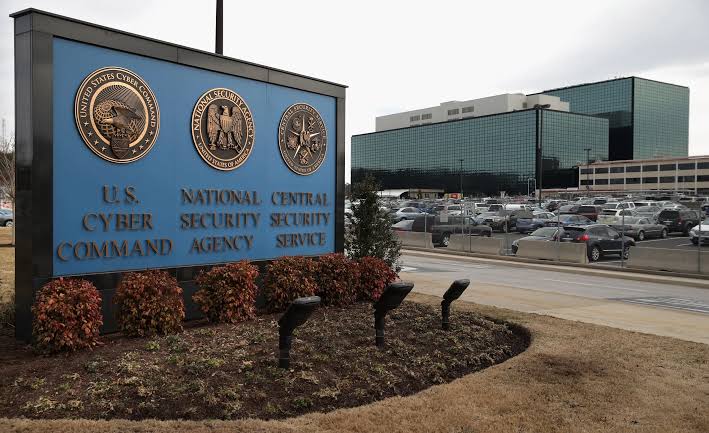
The United States Congress is facing renewed questions over employee welfare and mental health support within the country’s intelligence and cyber security institutions following reports that at least 11 personnel linked to the National Security Agency (NSA) and US Cyber Command died by suicide over approximately the past year.
The reported figure, based on information from US officials and public records, is higher than previously known and has drawn attention to the pressures experienced by personnel working in highly sensitive national security environments.
The development has prompted scrutiny of the working conditions, mental health support systems and institutional responsibilities of agencies tasked with protecting the United States’ intelligence and cyber infrastructure.
Personnel within intelligence and cyber security organisations often work in environments involving classified information, demanding operational responsibilities and strict security requirements.
Such conditions can create unique workplace pressures, particularly where employees face prolonged periods of high responsibility, limited public recognition and restrictions on discussing aspects of their work outside authorised channels.
The reported deaths have therefore raised questions about whether existing support systems adequately address the psychological and professional challenges faced by personnel in these agencies.
Congressional scrutiny is expected to place greater attention on the availability of confidential counselling, employee assistance programmes, early intervention measures and the ability of staff to seek help without fear of professional repercussions.
The issue also highlights the broader importance of mental health policies within government institutions, particularly organisations whose employees operate under exceptional security and operational demands.
While the reported number requires careful examination in the context of agency staffing levels and verified records, the deaths have brought renewed urgency to discussions about employee wellbeing in the intelligence community.
For national security institutions, maintaining operational effectiveness also requires ensuring that personnel have access to appropriate support and that workplace policies recognise mental health as an essential component of organisational resilience.