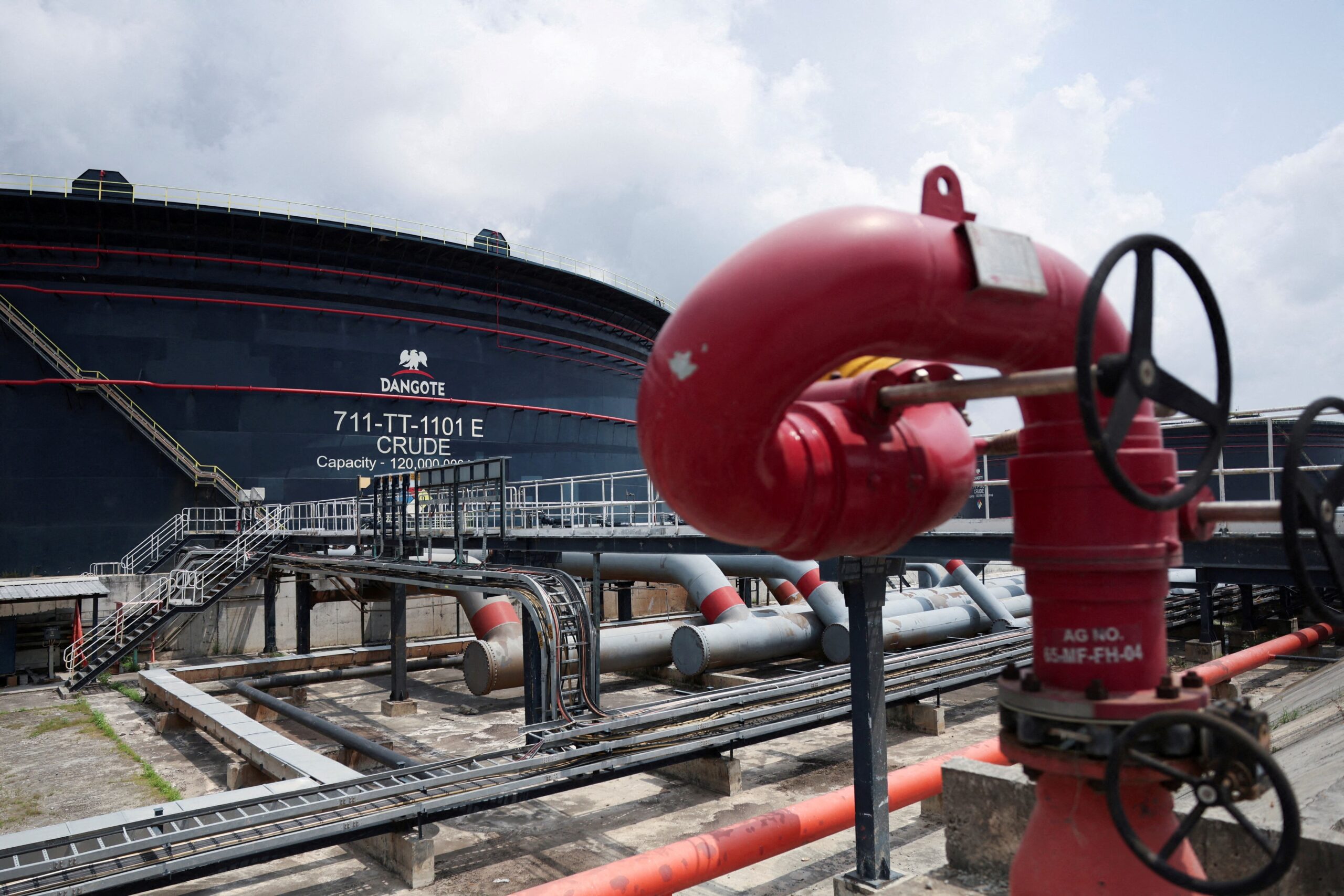
The planned initial public offering (IPO) of Aliko Dangote’s refinery has attracted investor orders exceeding $4 billion, more than twice the approximately $1.6 billion the company initially intended to raise, underscoring strong demand for one of Africa’s most prominent industrial assets.
The scale of interest represents a significant development for Nigeria’s capital market and reflects growing appetite among domestic and international investors for opportunities in Africa’s industrial and energy sectors.
The offering, described in the supplied report as Africa’s largest-ever share sale, is designed to broaden ownership of the refinery and provide investors with an opportunity to participate in a major industrial project with strategic importance to the continent.
Dangote reportedly adopted a relatively low per-share pricing strategy to encourage participation by retail investors, including individuals seeking exposure to the country’s industrial growth.
The structure is also expected to widen the investor base beyond large institutional funds, potentially giving smaller investors across Africa access to an asset that has attracted considerable attention because of its scale and role in the petroleum sector.
The reported demand also highlights the potential of African capital markets to mobilise substantial domestic and international funding for major infrastructure and industrial projects.
For Nigeria, the offering comes amid wider efforts to deepen the domestic capital market, attract long-term investment and reduce reliance on borrowing to finance industrial development.
African governments and financial institutions have increasingly emphasised the need to mobilise local savings and channel more capital into productive sectors, including manufacturing, energy, infrastructure and technology.
However, the continent’s capital markets remain fragmented, with regulatory differences, currency restrictions and barriers to cross-border investment limiting the ability of investors to move funds efficiently between countries.
Nigeria has been pushing for greater regional market integration, including proposals to facilitate bond trading across West Africa and improve access to investment opportunities across national borders.
The strong reported demand for the Dangote Refinery IPO could therefore provide fresh momentum to discussions around the development of deeper and more integrated African capital markets.
Beyond the immediate fundraising, the offering will be closely watched for its implications for retail participation, corporate transparency, market liquidity and the ability of African businesses to raise substantial equity financing locally.
The final outcome will depend on the completion of the offer process and the extent to which reported investor orders translate into confirmed subscriptions and allocations.