The United States has expressed concerns about the possibility of increased violence during Nigeria’s January 2027 presidential election, with American officials promising to closely monitor developments surrounding the country’s electoral process.
The warning was raised during a congressional hearing on violence in Nigeria, where senior officials from the United States Department of State discussed the security challenges facing the country and their possible implications for the forthcoming election.
Assistant Secretary of State for African Affairs, Frank Garcia, identified the January presidential election as one of the factors that could increase tensions in Nigeria.
In prepared testimony before the House Foreign Affairs Subcommittee on Africa, Garcia warned that the election could potentially trigger violence, particularly given the existing security challenges confronting the country.
He explained that Nigeria’s security architecture was already facing significant pressure, making it difficult for authorities to respond effectively to every security threat.
Garcia also identified limited judicial reach in parts of the Middle Belt and the country’s finite resources as major obstacles to addressing insecurity.
The comments come at a time when Nigeria continues to experience security challenges involving armed groups, attacks on communities, kidnappings and other forms of violence in different parts of the country.
The situation has attracted international attention, particularly following concerns about attacks on religious communities and the Nigerian government’s response to insecurity.
During the congressional hearing, United States Congressman Riley Moore called for close attention to Nigeria’s forthcoming election.
He argued that American officials should carefully monitor the electoral process and developments that could affect its credibility and security.
Responding to the concerns, Assistant Secretary of State for Democracy, Human Rights and Labour, Riley Barnes, confirmed that the State Department already had a team monitoring elections around the world.
Barnes described Nigeria’s election as a high-priority exercise and assured lawmakers that Washington would continue to follow developments closely.
The American officials also discussed cooperation between both countries on security-related matters.
According to Garcia, the United States is engaging the Nigerian government through a Joint Working Group established after Nigeria’s designation as a Country of Particular Concern by US President Donald Trump in October 2025.
The discussions include improving security deployments, responding more quickly to early warnings, holding perpetrators accountable and strengthening military cooperation.
The United States has indicated that it expects measurable progress in Nigeria’s efforts to protect vulnerable communities and address persistent violence.
Nigeria’s 2027 presidential election is expected to attract considerable domestic and international attention because of its importance to the country’s political future.
Electoral security remains a major concern because violence during campaigns, voting and the announcement of results could affect public confidence in democratic institutions.
Political parties, security agencies and electoral authorities will therefore face pressure to ensure that campaigns and voting activities take place peacefully.
The Independent National Electoral Commission will also be expected to provide a transparent electoral process and strengthen preparations for the exercise.
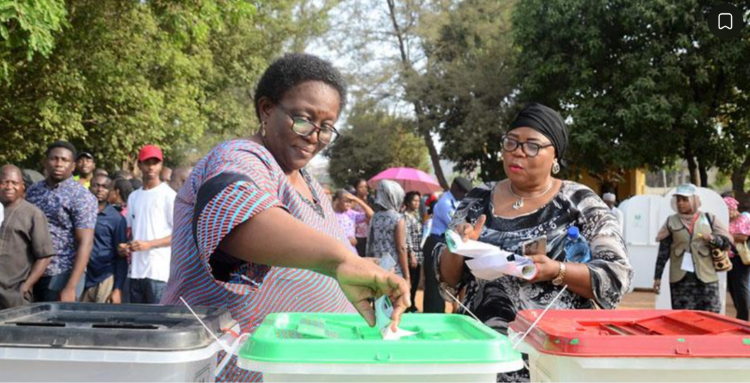
For Nigerian voters, the central concern is the ability to participate freely without intimidation, threats or attacks.
Although the United States has promised to monitor the election, responsibility for conducting the exercise remains with Nigerian institutions.
The latest comments demonstrate the level of international attention surrounding Nigeria’s electoral preparations and the need for security agencies to address threats before they develop into wider violence.
As the January 2027 election approaches, cooperation between electoral authorities, political parties, civil society organisations and security agencies will be important in protecting voters and maintaining public confidence.