Médecins Sans Frontières (MSF), also known as Doctors Without Borders, has raised concerns over persistent weaknesses in the response to the Ebola outbreak in the Democratic Republic of Congo, warning that significant financial resources are not reaching frontline workers and affected communities effectively.
In a statement released on November 12, the international medical organisation said the outbreak remained out of control six months after the response began, despite hundreds of millions of dollars being mobilised by the international community.
The organisation described a serious gap between the resources announced for the emergency response and the actual support available to medical personnel working in affected communities.
According to MSF, frontline responders continue to experience shortages of essential supplies, inadequate operational support and delays in receiving payments.
The organisation also reported that some response personnel were untrained or unpaid, while certain workers had gone on strike because of unresolved challenges.
Other problems identified included ambulances and vehicles operating without sufficient fuel, surveillance teams that were not adequately active on the ground and community workers lacking phones or mobile data to communicate information about suspected cases.
MSF warned that these shortcomings were weakening efforts to identify infections, support affected patients and prevent further transmission.
The organisation’s international president, Dr Javid Abdelmoneim, criticised the situation, saying that frontline workers were struggling to contain the outbreak despite the considerable financial resources already committed.
The warning highlights the importance of ensuring that emergency funding is properly managed and directed towards activities that can produce immediate results.
Ebola is a serious infectious disease that can cause severe illness and death. Effective outbreak control requires early detection, isolation and treatment of suspected cases, contact tracing, infection prevention and public awareness.
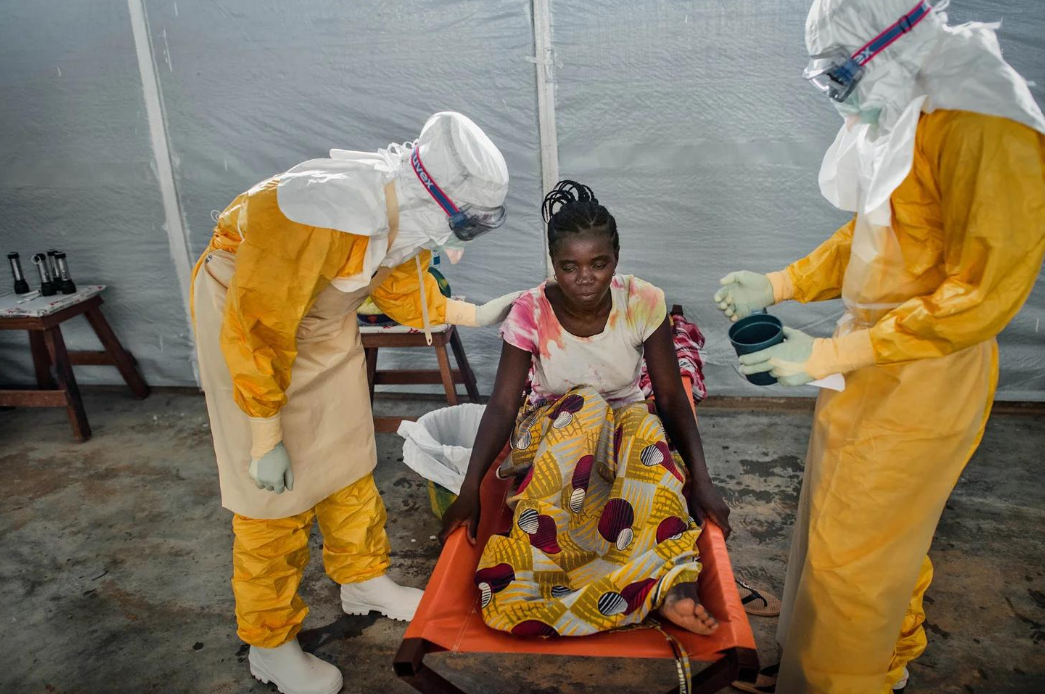
Health workers also require protective equipment, reliable transportation, adequate training and financial support to carry out their responsibilities safely.
Without these measures, the spread of the virus can become more difficult to control, particularly in communities where healthcare facilities are already under pressure.
MSF said the outbreak had surpassed 11,000 cases and 5,000 deaths, underlining the scale of the public health emergency.
The organisation has been supporting the Congolese authorities since the outbreak was declared on May 15, 2026.
Its activities have included establishing treatment centres and isolation facilities, improving infection prevention in healthcare facilities, conducting surveillance and supporting public awareness campaigns.
As of early November, MSF said its response covered five of the eight affected provinces.
The organisation was operating eight Ebola treatment centres and deploying three rapid response teams to areas requiring urgent assistance.
It also disclosed that approximately 1,500 patients with confirmed Ebola infections had been admitted to facilities supported by the organisation during the preceding six months.
MSF said it had allocated €64.6 million to its Ebola response, with the funding coming almost entirely from private donations.
Nearly 2,900 people were directly involved in or financially supported by its activities, approximately 90 per cent of whom were locally recruited.
The organisation is calling on the Congolese government and United Nations agencies to strengthen accountability and ensure that resources reach the areas with the greatest needs.
It also wants frontline personnel to receive proper training, payment, equipment and technical assistance.
The warning raises important questions about how international emergency funding is distributed and monitored during major public health crises.
For communities affected by Ebola, financial commitments alone are not enough. What matters is whether medical assistance, treatment facilities and trained personnel are available when people need them.
The situation in DR Congo demonstrates the importance of effective coordination between governments, international organisations and local health workers in controlling infectious disease outbreaks.