Cape Verde is preparing for a presidential election scheduled for November 15, 2026, with political discussions focusing on employment, economic development, migration and the country’s future direction.
The election comes at an important moment for the West African island nation, where economic opportunities and the movement of young people abroad remain significant issues in public debate.
The presidential contest is attracting attention because of the role the country’s leadership will play in promoting national development, strengthening democratic institutions and addressing the concerns of citizens.
One of the major issues surrounding the election is the need to create more employment opportunities for young people.
Cape Verde has a relatively small domestic economy and depends significantly on sectors such as tourism, services and international economic partnerships.
Although tourism has contributed to economic growth, the country continues to face challenges associated with employment opportunities, income distribution and the need to diversify its economy.
Migration has also become an important political issue.
The departure of young people seeking better educational and employment opportunities abroad has raised concerns about the country’s ability to retain skilled workers and maintain a strong domestic workforce.
Political candidates have therefore been expected to address how the government can create an environment that encourages young people to remain in the country or return after gaining experience overseas.
Investment is another important issue in the campaign.
Cape Verde’s economic development depends partly on attracting investment into infrastructure, tourism, renewable energy and other productive sectors.
Improving the business environment and supporting private-sector activities could help create jobs and strengthen the country’s economic position.
The country’s presidential system also makes the election important because the president has constitutional responsibilities that include representing the state, exercising certain veto powers and playing a role in mediating political disagreements.
However, executive leadership is primarily exercised by the prime minister under Cape Verde’s semi-presidential political arrangement.
This distinction means that presidential candidates are expected to operate within the country’s constitutional framework while contributing to broader national development discussions.
The election is also taking place following parliamentary elections held in May 2026, which produced a new political balance in the country’s legislature.
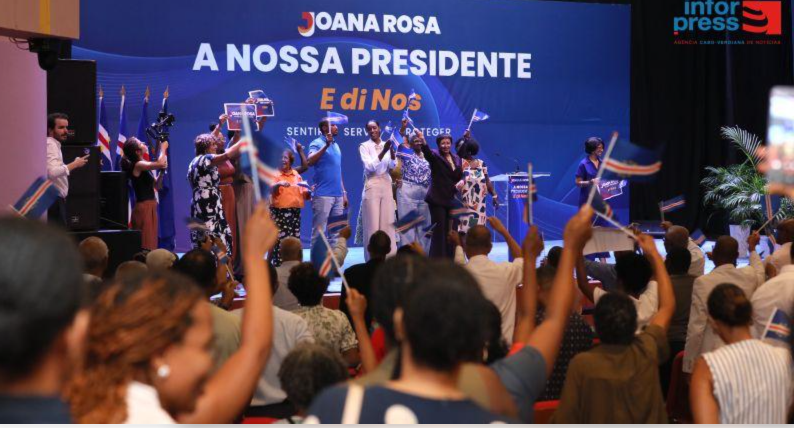
The presidential vote will therefore provide another opportunity for citizens to participate in shaping the country’s political leadership.
According to the country’s published electoral notice, the presidential election is scheduled for November 15, with four candidates officially listed.
The National Electoral Commission has published the admitted candidacies through the country’s official gazette.
As voters prepare to cast their ballots, the campaign has drawn attention to the importance of stable democratic institutions and effective governance.
Employment, the cost of living, investment and the future of younger generations are expected to remain important issues for citizens.
For Cape Verde, the election represents more than a contest for political office. It is also an opportunity for candidates to explain how they intend to address the economic and social challenges facing the country.
The outcome will determine the country’s next president and provide an indication of the issues voters consider important for its future.