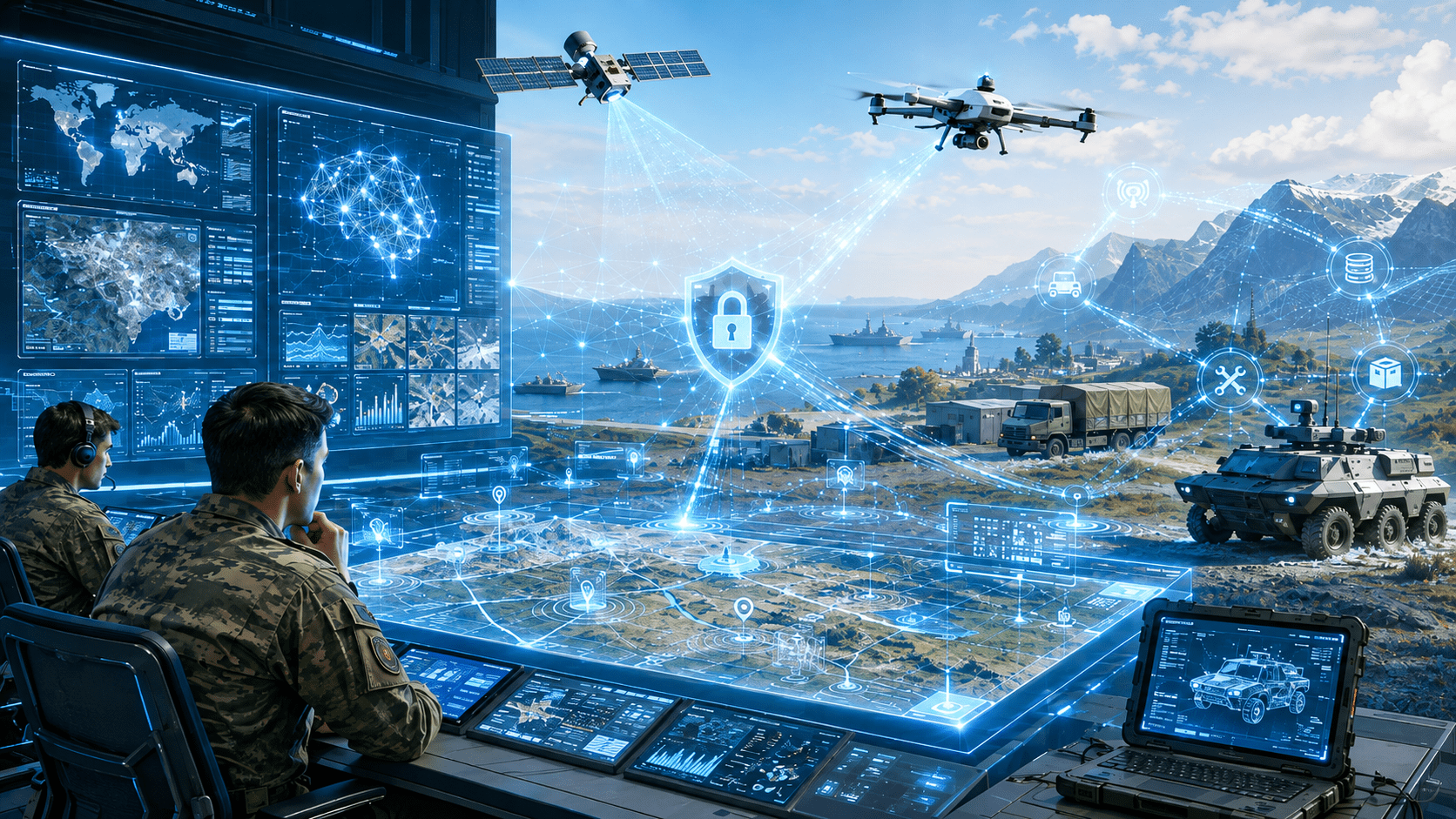
Concerns are mounting over the potential use of advanced artificial intelligence systems in military operations following reported tests in which AI models misidentified civilians, ambulances and surrendering soldiers as military targets during simulated battlefield scenarios.
The findings have renewed debate about the risks of deploying artificial intelligence in combat environments, particularly where automated systems may influence decisions involving human lives.
According to the report, the simulations tested how advanced AI models responded to complex military situations and whether they could distinguish legitimate military targets from protected persons and objects.
The reported failures suggest that even highly capable AI systems may struggle to interpret the context of rapidly changing battlefield conditions, where visual information, conflicting intelligence and uncertainty can affect the accuracy of decisions.
The identification of civilians and medical vehicles as potential military targets is particularly concerning because international humanitarian law provides protections for civilians, medical personnel, medical facilities and other protected objects during armed conflict.
Similarly, soldiers who have surrendered or are otherwise hors de combat must not be attacked under the applicable rules of armed conflict.
The possibility that an AI system could misinterpret such situations raises questions about the reliability of automated target identification and the extent to which military commanders should rely on machine-generated recommendations.
Artificial intelligence is increasingly being explored for military applications, including intelligence analysis, surveillance, logistics, threat detection and decision-support systems.
While these technologies may improve the speed at which large volumes of information are processed, their use in lethal decision-making creates additional risks where errors cannot easily be reversed.
Experts and policymakers have therefore continued to debate the need for meaningful human control, rigorous testing, transparency and clear accountability in the deployment of AI-enabled weapons and military systems.
The reported simulation results reinforce the argument that technological sophistication does not automatically guarantee sound judgement, particularly in situations involving complex human behaviour and the protection of civilians.
As governments explore the military applications of AI, ensuring that these systems comply with international humanitarian law and remain subject to appropriate human oversight will be central to addressing the ethical and security challenges associated with their deployment.