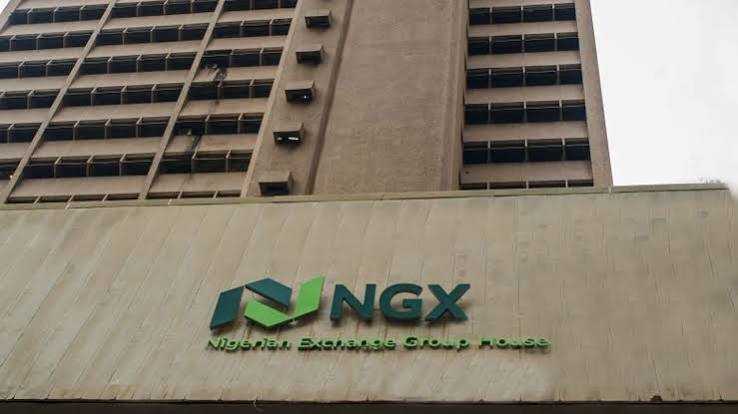
Transactions on the Nigerian Exchange Limited (NGX) rose by 79 per cent to N17.13 trillion in the first 10 months of 2026, as increased participation by domestic investors sustained market activity despite a continued reduction in foreign portfolio investments.
Data from the NGX October Domestic and Foreign Portfolio Investment Report showed that total transactions increased from N9.57 trillion recorded between January and October 2025 to N17.13 trillion in the corresponding period of 2026.
Domestic investors accounted for N15.46 trillion, representing 90.29 per cent of total transactions, while foreign investors contributed N1.66 trillion, or 9.71 per cent.
The report, published on Monday, November 23, highlights the growing influence of local investors in the Nigerian equities market as foreign portfolio investors continue to reduce their exposure to domestic stocks.
Domestic transactions increased by 104.99 per cent year-on-year, rising from N7.54 trillion in the first 10 months of 2025 to N15.46 trillion in the corresponding period of 2026.
The performance also surpassed the N9.28 trillion recorded for the whole of 2025 by more than N6.18 trillion, indicating a substantial expansion in local market participation.
Institutional investors were the largest contributors to domestic activity, with their transactions rising by 114.37 per cent to N9.86 trillion.
Retail investor transactions also recorded significant growth, increasing by 90.32 per cent to N5.60 trillion during the review period.
The figures suggest that local institutional and individual investors have become increasingly important in providing liquidity and sustaining trading activities on the exchange amid weaker foreign participation.
Although the surge in domestic transactions points to stronger local engagement, the relatively small share of foreign investors underscores the need to strengthen market confidence and attract international capital.
The continued growth of domestic participation could provide some support for the equities market, although sustained foreign investment inflows remain important for deepening liquidity and improving the market’s international competitiveness.