The Federal Government has unveiled an investment portfolio of 65 projects valued at approximately $78.5 billion, seeking to attract Polish investors and deepen economic cooperation between Nigeria and Poland.
The proposed investments are expected to generate about 366,000 jobs across key sectors of the Nigerian economy if successfully financed and implemented.
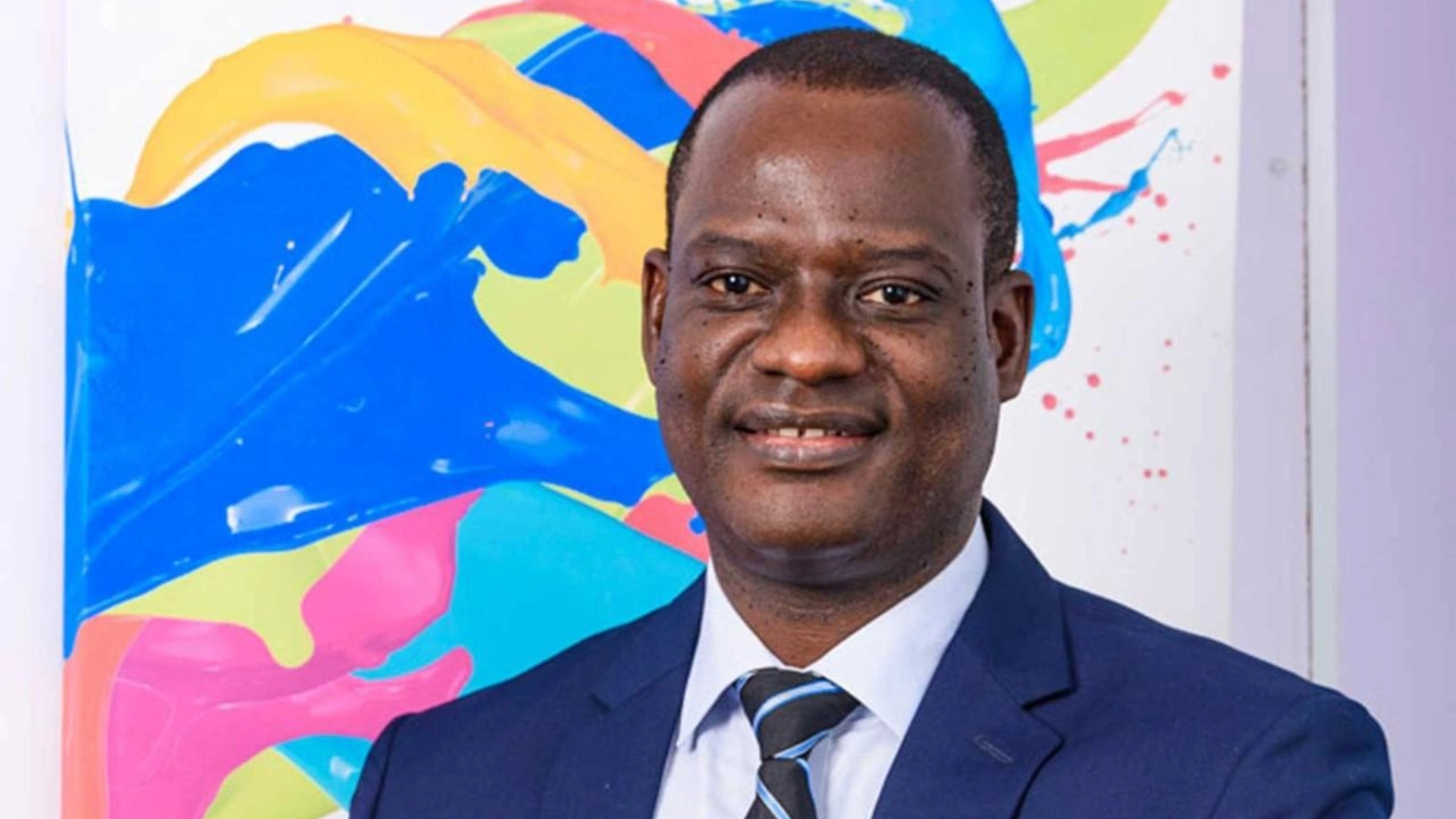
Minister of Finance and Coordinating Minister of the Economy, Taiwo Oyedele, disclosed the figures at the Second Polish-Nigerian Economic Forum held at the Lagos Continental Hotel.
Oyedele urged Polish businesses to move beyond diplomatic engagement and commit capital, technology and industrial expertise to projects capable of expanding Nigeria’s productive capacity.
He said the projects had been developed through the Federal Government’s Projects Nigeria deal room facility and covered critical areas including infrastructure, manufacturing and energy.
According to the minister, the investment opportunities have undergone feasibility studies and are structured to attract private-sector participation, providing prospective investors with a pipeline of projects for consideration.
He said the government was changing its approach to international trade and investment by seeking partnerships that deliver tangible economic benefits rather than relying predominantly on the export of unprocessed raw materials.
Oyedele explained that Nigeria wanted foreign investors to participate in establishing factories, improving transportation infrastructure and expanding local production, with the objective of strengthening domestic industries and creating employment.
The minister identified the planned modernisation of the Lagos Port Complex at Apapa and Tin Can Island as an example of the type of investment partnership the government wants to develop with Poland.
The proposed port modernisation is expected to provide opportunities for cooperation in infrastructure development, logistics, technology and related services, areas in which international expertise and financing could support improvements in Nigeria’s trade infrastructure.
The government’s engagement with Polish investors comes amid efforts to attract foreign capital into productive sectors, improve the business environment and broaden the sources of financing available for infrastructure and industrial development.
For Nigeria, the potential value of the proposed projects extends beyond the headline investment figure. Their successful implementation could support industrial expansion, strengthen supply chains and create employment opportunities.
However, the $78.5 billion portfolio represents investment opportunities being presented to prospective investors, rather than funds already committed or projects confirmed to have secured financing.
The extent to which the proposals translate into actual investments will depend on investor interest, financing arrangements, project approvals and the ability of the government and private-sector partners to implement the projects.
Oyedele’s appeal therefore places emphasis on converting Nigeria’s diplomatic and commercial relationships into practical investment commitments that can contribute to long-term economic growth.