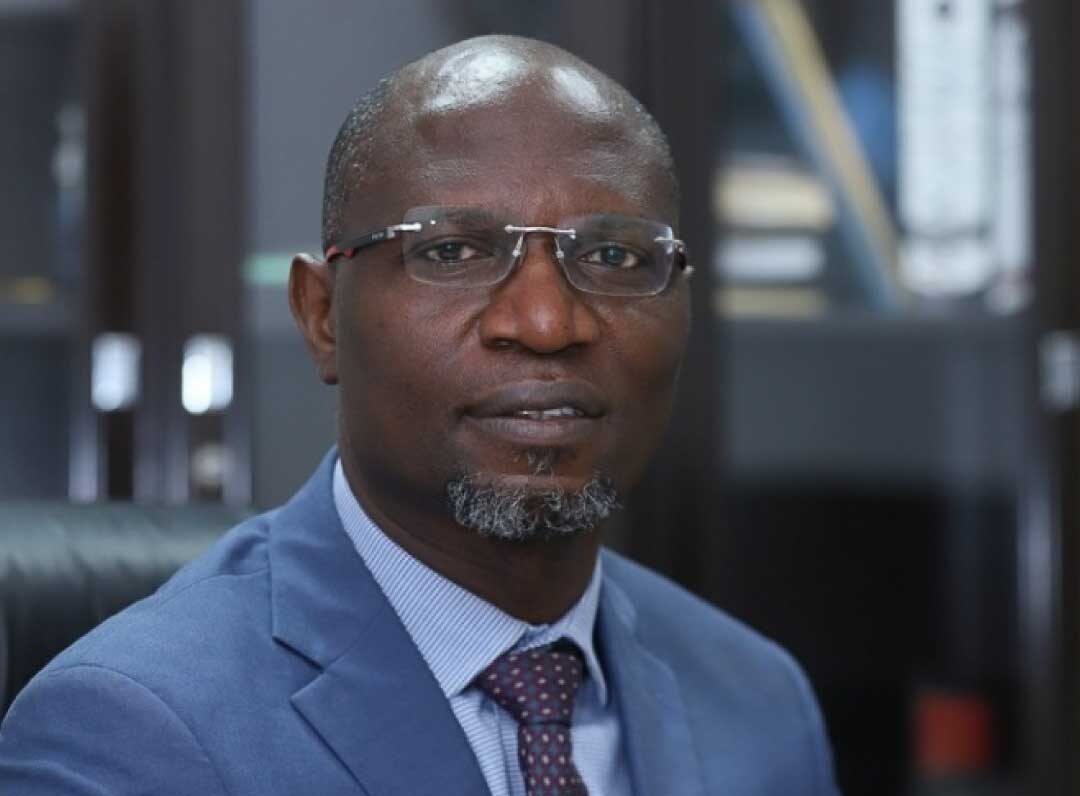
The contribution of Nigeria’s capital market to the nation’s Gross Domestic Product has increased from 13 per cent in April 2024 to about 33 per cent, according to the Director-General of the Securities and Exchange Commission Nigeria, Dr Emomotimi Agama.
Agama disclosed this in Lagos during his inaugural address to members of the Capital Market Working Group on Market Liquidity at the Commission’s office.
In a statement issued on Sunday, the SEC said market capitalisation had risen from about N55tn to over N123.93tn as of February, representing a 125 per cent appreciation within the review period.
“Since this administration came into being in April 2024, we have seen market capitalisation grow from about N55tn to over N123.93tn. Our contribution to GDP has moved from 13 per cent to 33 per cent. These are impressive figures, but they tell only part of the story,” Agama said.
He described the growth as evidence of strong investor confidence and the resilience of the Nigerian capital market but stressed that market size alone was insufficient without corresponding depth and liquidity.
“A capital market is often described as the barometer of an economy’s health. But for that barometer to be accurate, the market must be more than just large; it must be liquid,” he added.
The SEC boss identified structural challenges, including high transaction impact costs for institutional investors and the concentration of trading in a limited number of highly capitalised stocks. According to him, this leaves the broader market relatively shallow and may discourage investors uncertain about exiting positions without significant price distortions.
To address the concerns, the Commission inaugurated a multi-stakeholder working group comprising exchanges, custodians, fund managers, dealing members and other market operators. The group is mandated to develop practical recommendations to improve trading efficiency, deepen participation and enhance price discovery.
Among its tasks are a comprehensive review of trading and settlement infrastructure, identification of structural bottlenecks affecting transaction speed, and proposals to make Nigeria’s settlement cycle more competitive with other emerging markets.
Agama said the SEC is also targeting the onboarding of up to 20 million new investors through digital platforms, dematerialisation of share certificates and fintech partnerships.
He noted that product innovation, particularly the accelerated development of derivatives and other asset classes, would be key to improving liquidity. He added that the recently enacted Investments and Securities Act 2025 has expanded the Commission’s oversight to include digital assets, providing an opportunity to channel speculative interest into regulated investment channels.
“The capital market is not gambling; it is the engine of national development. It finances roads, powers factories and creates jobs,” Agama stated.
He urged members of the working group to produce bold and practical recommendations to strengthen liquidity and support the Federal Government’s ambition of building a trillion-dollar economy.
In his remarks, the Chairman of the committee and Group Chief Executive Officer of Nigerian Exchange Group, Mr Temi Popoola, thanked the SEC for the opportunity and assured the Director-General that the team would diagnose structural constraints with candour and deliver measurable reforms to deepen liquidity and restore investor confidence.