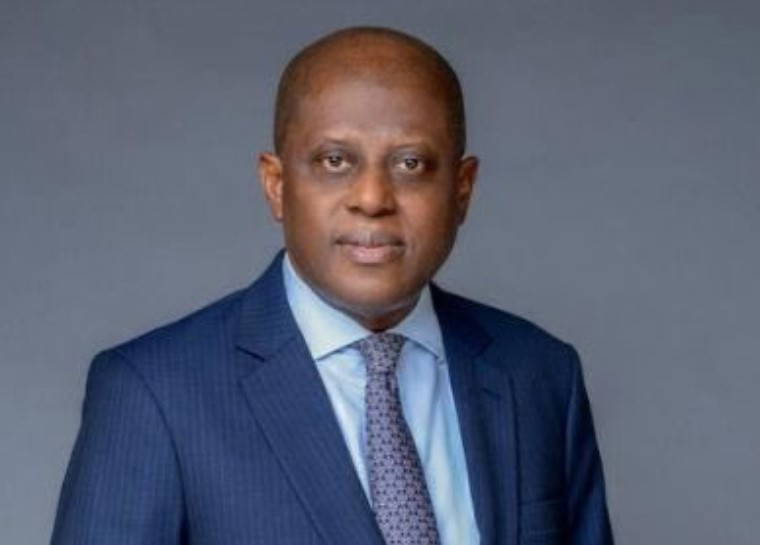
Central Bank of Nigeria (CBN) Governor, Olayemi Cardoso, has cautioned that excess liquidity in the financial system, combined with the 2027 election cycle, could undermine Nigeria’s hard-won economic stability. He urged careful management to safeguard reforms that have strengthened the economy.
Speaking at the National Economic Council (NEC) Conference 2026 at the Presidential Villa, themed “Delivering Inclusive Growth and Sustainable National Development: The Renewed Hope National Development Plan,” Cardoso addressed the panel on Fiscal and Monetary Outlook 2026–2030: Priorities and Imperatives.
Recalling the challenges he inherited, Cardoso said the economy faced serious disruptions from loose monetary policy, a dysfunctional foreign exchange market, and excessive liquidity, noting that direct CBN interventions reached an unprecedented ₦10.93 trillion.
“These interventions provided short-term support, but created long-term distortions, excess liquidity, and increased the cost of liquidity management,” he said.
Cardoso outlined a three-pillar approach that restored stability:
1. Decisive Monetary Policy: The CBN aggressively raised the Monetary Policy Rate (MPR) by 875 basis points to tackle inflation and phased out quasi-fiscal development finance to focus on price stability.
2. Transparency and Market-Driven Reforms: Measures included unifying the FX market, institutionalising transparency, and ensuring price discovery, which helped rebuild investor confidence.
3. Fiscal Coordination: Strengthening fiscal discipline reduced government reliance on deficit financing, with ways and means advances falling from 2.65% in 2023 to 0.69% in 2024.
The results, he said, are visible: sustained GDP growth of 3.98%, a $3.42 billion current account surplus in Q3 2025, inflation at 15.15%, a sound banking sector, and foreign reserves of $49 billion as of February 5, 2026.
Looking forward, Cardoso emphasised the importance of continuing fiscal and monetary coordination, noting key risks:
“Liquidity overhang remains in the system. The election cycle, typically, a lot of money gets pumped into the system. This has to be watched to ensure it does not destabilize the very bold reforms that have brought about stability to the economy amid global trade tensions.”
He stressed that monetary policy alone cannot guarantee stability, especially in the face of structural constraints such as food supply shocks, energy costs, logistics challenges, and infrastructure gaps. Cardoso also highlighted the role of sub-national governments, which control over 50% of revenue and can influence both macroeconomic and microeconomic outcomes.
By 2030, the CBN aims for single-digit inflation, growing foreign exchange reserves powered by non-oil exports, foreign direct investment, and remittances, a globally competitive financial system, stable markets with effective exchange rates, deeper local currency financing, and financial inclusion.
Concluding on an optimistic but cautious note, Cardoso said:
“The future is looking bright despite challenges. We are committed to the reform agenda, but we are not out of the woods. We need to remain focused, continue our current policies, and ensure all potential headwinds are properly anticipated and managed. From the Central Bank, I assure you we will stay focused on strategic sequencing, improve fiscal and monetary coordination, and strengthen the economic environment to unlock Nigeria’s potential.”