Banks have raised a total of N4.05 trillion under the ongoing recapitalisation programme of the Central Bank of Nigeria, with 20 out of 33 participating institutions already meeting the new minimum capital requirement.
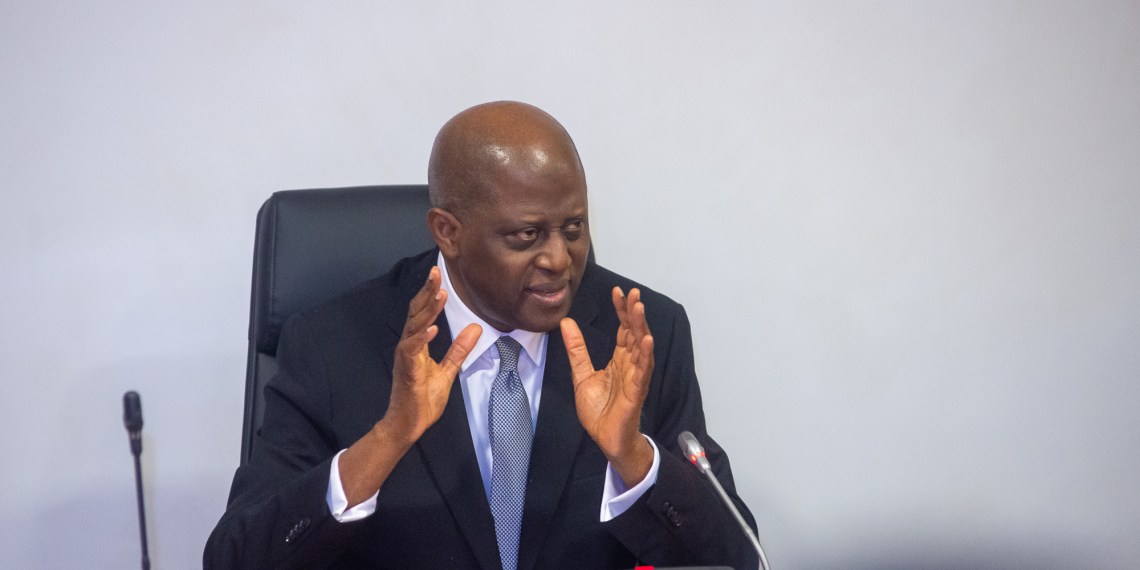
Governor Olayemi Cardoso disclosed this on Tuesday after the conclusion of a two-day Monetary Policy Committee (MPC) meeting in Abuja, ahead of the March 31, 2026 deadline.
The development signals strong investor confidence and marks a major milestone in efforts to strengthen Nigeria’s banking sector.
Cardoso said the MPC acknowledged the continued resilience of the banking industry, noting that key financial soundness indicators remain within regulatory thresholds.
“The MPC reiterated the strategic importance of the recapitalisation exercise and urged the Bank to ensure its successful completion. This would reinforce financial system resilience and enhance the sector’s capacity to support sustainable economic growth,” he said.
Of the 13 banks still finalising their recapitalisation plans, several are exploring strategic options, including possible consolidation where appropriate. Cardoso noted that institutions currently under regulatory intervention face legal and structural constraints that affect the timing of their capital-raising efforts.
He explained that it would be unrealistic to expect the same sequencing for these banks as those that had more than two years to prepare.
The governor reassured the public that depositors’ funds in affected institutions remain secure, adding that operations continue under close supervisory and regulatory oversight.
As of February 19, 2026, the total verified and approved capital raised stood at N4.05 trillion. Of this amount, N2.90 trillion, representing 71.67 percent, was mobilised domestically. Foreign participation accounted for $706.84 million, equivalent to N1.15 trillion, or 28.33 percent of the total.
Cardoso said the combination of domestic and foreign investment reflects strong engagement from both local and international investors.
“Several MPCs ago, I mentioned that when I met with members of the investor community abroad, they had a very strong interest in investing in the banks. I’m glad that this has come out in a positive way,” he said.
The recapitalisation programme, which commenced in early 2024, forms part of broader reforms aimed at strengthening Nigeria’s financial system. The initiative is designed to ensure that banks are well-capitalised, resilient to economic shocks, and capable of supporting sustainable growth, including President Bola Ahmed Tinubu’s ambition to build a $1 trillion economy.
The CBN’s strategy includes enhanced oversight of banks under regulatory intervention while encouraging all institutions to complete their capital-raising exercises within the stipulated timeframe.
Analysts say the pace of recapitalisation is expected to boost market confidence, reduce systemic risks, and expand banks’ capacity to lend to the real economy. Strong domestic participation underscores confidence in Nigeria’s financial system, while rising international interest highlights the sector’s growing appeal to foreign investors.
Cardoso emphasised that the March 31 deadline remains non-negotiable, assuring stakeholders that the apex bank will continue to monitor progress closely.
“The CBN will continue monitoring progress and enforcing regulatory standards to maintain the stability and integrity of the banking system,” he said.