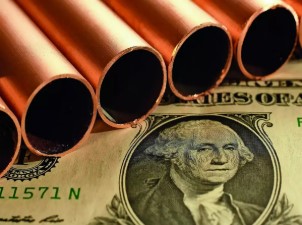
Copper prices have surged to a historic high of $13,000 per metric tonne, marking the first time the industrial metal has crossed the milestone as investors react to mounting tariff concerns and a renewed risk-on mood across global markets.
The rally reflects a potent mix of geopolitical uncertainty, supply-side constraints and strong speculative interest, reinforcing copper’s status as both a bellwether for global economic health and a strategic metal for the energy transition.
Tariff Concerns Drive Buying Frenzy
At the heart of the surge are renewed fears over potential trade tariffs, particularly involving the United States. Market participants are increasingly wary that fresh or expanded import duties could disrupt established trade flows, tighten regional supply and push up domestic prices.
As a result, traders have rushed to reposition copper inventories, especially toward the U.S. market, where premiums over international benchmarks have widened. This front-loading of demand has exacerbated tightness in other regions, amplifying upward pressure on global prices.
Analysts note that even the possibility of tariffs is enough to reshape behaviour in the copper market, given its critical role in manufacturing, construction and infrastructure development.
Risk-On Mood Lifts Commodities
Copper’s breakout is also being supported by a broader risk-on sentiment in financial markets. Stronger equities, easing fears of an abrupt global slowdown, and expectations of supportive monetary conditions have encouraged investors to increase exposure to cyclical assets, including industrial metals.
In this environment, copper has benefited from both fundamentals and speculative inflows, with hedge funds and commodity traders betting that structural demand will continue to outpace supply.
Supply Tightness Adds Fuel
On the supply side, the market remains fragile. Labour disputes and operational challenges at major mining operations, particularly in South America, have raised concerns about production disruptions. At the same time, global warehouse inventories have declined, underscoring the limited buffer available to absorb demand shocks.
Years of underinvestment in new copper projects are also beginning to bite. With long lead times required to bring new mines on stream, analysts warn that supply constraints could persist well into the latter part of the decade.
Energy Transition Demand in Focus
Beyond short-term market dynamics, copper’s long-term outlook remains underpinned by demand from renewable energy, electric vehicles, data centres and grid expansion. Each of these sectors is copper-intensive, reinforcing expectations that consumption will continue to rise even amid economic uncertainty.
As governments and corporations accelerate decarbonisation efforts, copper’s strategic importance has never been more pronounced — a factor increasingly reflected in pricing.
What Next for Copper?
Whether copper can sustain levels above $13,000 will depend on how tariff discussions evolve, the resilience of global growth, and the extent to which supply disruptions intensify. However, the record-breaking move has already sent a clear signal: the copper market is entering a new phase of heightened volatility and strategic significance.
For investors, manufacturers and policymakers alike, copper’s surge is both a warning and a barometer of deeper shifts in the global economy.