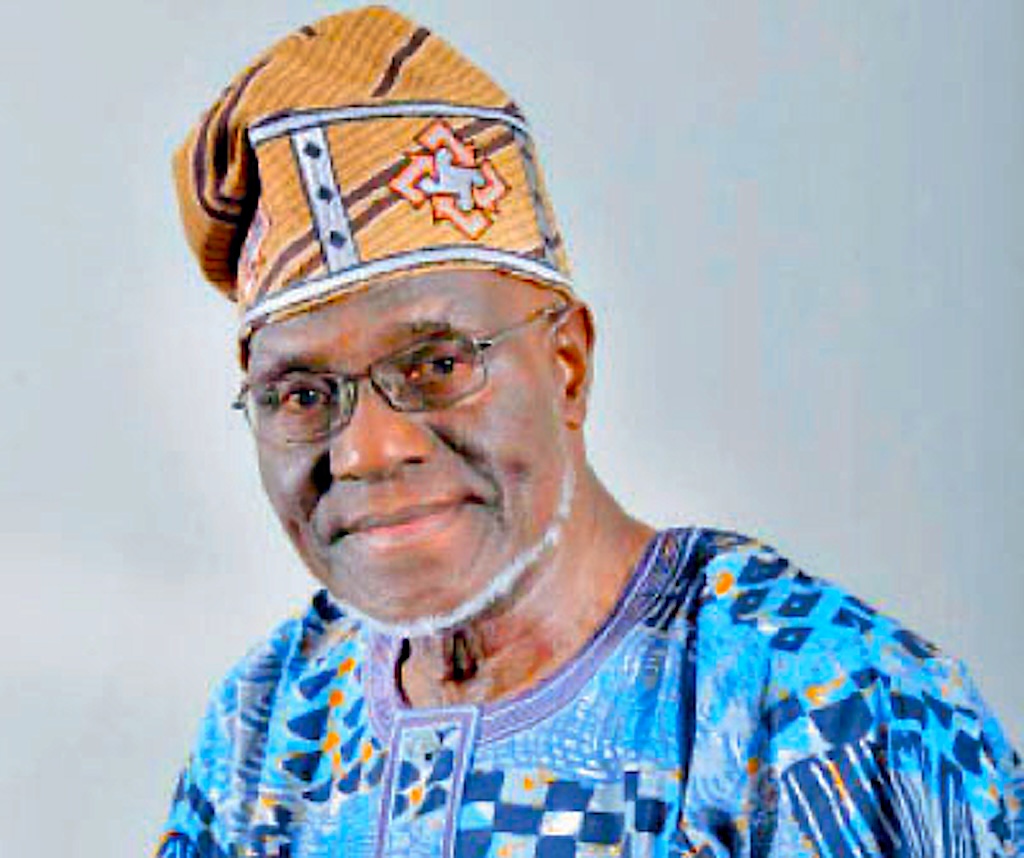
A former President of the Nigerian Labour Congress (NLC) and ex-General Secretary of the Organisation of African Trade Unions, Hassan Sunmonu, has criticised Nigeria’s growing dependence on loans from the International Monetary Fund (IMF) and the World Bank, warning that such borrowings have deepened public debt and entrenched corruption.
Sunmonu made the remarks on Sunday while speaking at the Toyin Falola Interviews, a globally streamed forum hosted by renowned historian, Prof. Toyin Falola.
According to him, Nigeria’s borrowing culture has shifted from funding development projects to sustaining political power, with dire consequences for ordinary citizens.
“Many of these loans are taken to help corrupt politicians stay in power,” Sunmonu said, warning that the burden of repayment is being transferred to Nigerians through worsening hardship and insecurity.
He questioned the sustainability of the country’s rising debt profile, noting that frequent borrowing to fund recurrent expenditure reflected a failure of sound economic planning.
“We should not be borrowing every time we want to pay salaries. Our leaders have made Nigeria so indebted that the debt will remain unpayable. It is hard for me to fathom this,” he added.
Sunmonu argued that Nigeria could pursue development outside IMF-prescribed neoliberal policies, insisting that the welfare of citizens should take precedence over servicing what he described as questionable debts.
“There are alternatives to the IMF’s neoliberal policies in Nigeria. Once the welfare of the people takes precedence over the payment of dubious debts to the IMF and World Bank, then the lives of ordinary people will be improved,” he said.
He called for greater transparency and accountability in public borrowing, urging Nigerians to demand explanations from political leaders over how borrowed funds are utilised.
“We must sit our leaders down and make them account for all the money borrowed. Where have all the monies gone from the debts incurred on our behalf?” Sunmonu asked.
Citing infrastructure development as an example of policy failure, the former labour leader criticised the concentration of major projects in the hands of single contractors, questioning the efficiency and transparency of such arrangements.
“How can you build a six-lane road from Lagos to Calabar and give it to only one contractor?” he queried.
Recalling international best practices, Sunmonu said highway projects in countries such as Italy were divided into smaller lots and handled by multiple private contractors, who recovered their investments through tolling before transferring the roads to government ownership.
“Today, nothing of that sort is happening. The contractors who built the highways in Italy had no political patronage,” he said.
Sunmonu also faulted Nigeria’s democratic experience, arguing that economic mismanagement had eroded public trust and worsened social hardship.
“The welfare of the people should be the basis of all democracies. The welfare of the people has not been taken into consideration in the democracy we have had in our country,” he stated.
He listed poverty, unemployment, insecurity, and rising debt as evidence of democratic failure, accusing successive governments of replacing transparency with propaganda.
“We cannot be living on lies. The people deserve to know the truth. It is government by propaganda at all levels,” Sunmonu concluded.