First Bank of Nigeria Limited is reinforcing its commitment to sustainability and social inclusion as it marks its second consecutive recognition as Nigeria’s Best Bank for ESG at the Euromoney Awards for Excellence 2025.
The 132-year-old financial institution has been expanding initiatives that integrate environmental protection, renewable energy, and inclusive banking practices into its operations.
One of the bank’s most visible sustainability efforts is its nationwide tree-planting campaign conducted in partnership with the Nigerian Conservation Foundation. The initiative, launched in 2023, has resulted in the planting of 50,000 trees across Nigeria over three years.
The campaign began with 1,000 trees planted at the Lekki Conservation Centre in 2023, expanded to 30,000 trees in 2024, and concluded with an additional 20,000 trees planted during the bank’s 2025 Corporate Responsibility and Sustainability Week.
According to the bank, the trees are expected to absorb about 720 tonnes of carbon dioxide, contributing to biodiversity preservation and climate resilience in line with the Paris Agreement and Nigeria’s Green Recovery Plan.
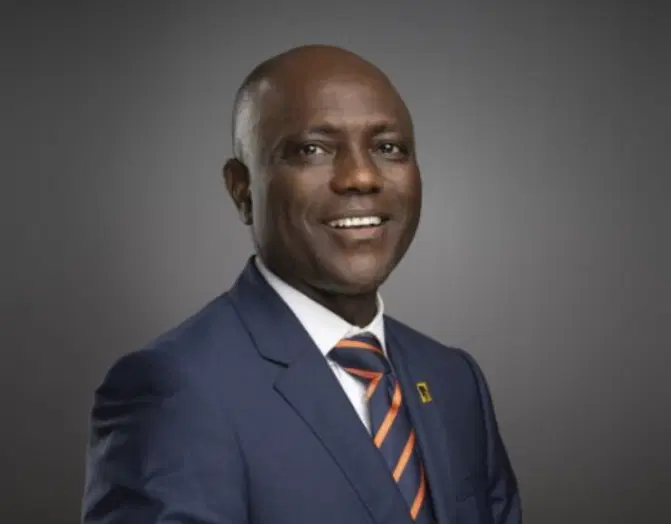
The Chief Executive Officer of First Bank of Nigeria Limited, Olusegun Alebiosu, said the initiative reflects the bank’s broader commitment to environmental stewardship.
“We are not just placing seedlings into the ground; we are sowing seeds of hope, renewal, and sustainability,” he said.
Beyond environmental initiatives, the bank has also increased investments in renewable energy projects, committing over $9m to solar home systems across Africa and more than ₦15bn to modular power plants aimed at expanding electricity access while reducing dependence on fossil fuels.
The bank’s sustainability agenda also focuses on financial inclusion and gender empowerment. Through its FirstGem loan programme, more than ₦43bn was disbursed in 2024 to support women-led businesses.
In addition, over 2,000 female employees have participated in leadership development programmes under the FirstBank Women Network, an initiative designed to address gender gaps in leadership and management roles.
The bank is also preparing to launch new accessibility features aimed at supporting visually impaired and physically challenged customers across its subsidiaries.
The initiative will introduce braille transaction documents, audio-format brochures, ATMs equipped with voice-prompt commands, and payment cards with tactile designs to improve banking access for people with disabilities.
Chief Risk Officer and Chairman of the Sustainability Committee at the bank, Patrick Akhidenor, said inclusive banking remains a key priority.
“Everyone deserves access to financial services whether physically or digitally,” he said.
The bank’s sustainability framework is built around three core pillars: education, health and welfare; diversity and financial inclusion; and responsible lending and climate initiatives.
As part of its environmental and governance oversight, the bank has screened more than 340 corporate transactions for environmental, social, and governance risks and trained over 9,000 employees in sustainability practices.
Additionally, its financial literacy programmes have reached more than one million students, equipping young Nigerians with essential financial management skills.
With these initiatives, First Bank of Nigeria Limited continues to position itself as a leading financial institution integrating sustainability into its long-term business strategy.