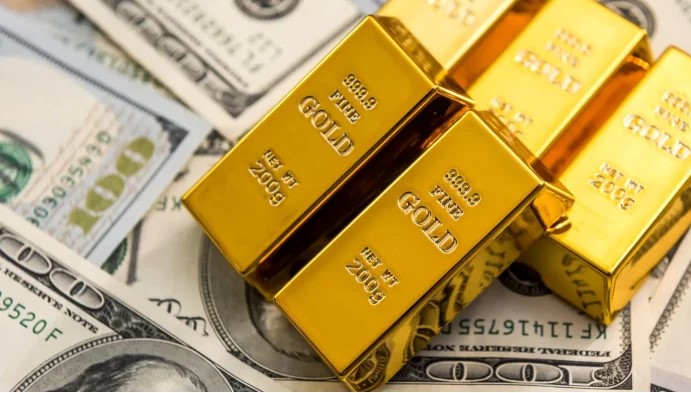
Ghana’s cedi has posted an annual gain against the US dollar for the first time in more than three decades, marking a significant turnaround for one of Africa’s most volatile currencies and underscoring the powerful impact of soaring global gold prices on the West African economy.
The rare appreciation comes as Ghana, Africa’s largest gold producer, benefits from record-high prices of the precious metal, which has boosted export earnings, strengthened foreign exchange inflows and helped stabilise the country’s external position after years of severe currency depreciation.
Gold Prices Drive Currency Turnaround
Gold exports remain the backbone of Ghana’s economy, accounting for a substantial share of foreign exchange earnings. With global investors flocking to gold amid geopolitical uncertainty, inflation concerns and shifting interest rate expectations, prices of the metal surged sharply over the past year.
That rally translated directly into higher export revenues for Ghana, improving dollar liquidity in the domestic market and easing pressure on the cedi. Analysts say the currency’s performance reflects not just favourable commodity prices, but also the economy’s renewed exposure to hard-currency inflows at a time when global financing conditions remain tight for emerging and frontier markets.
A Break From Decades of Decline
The cedi’s annual gain is particularly notable given its history. For more than 30 years, the currency had consistently weakened against the dollar, battered by fiscal deficits, high inflation, rising debt levels and periodic balance-of-payments crises.
The latest performance marks a psychological and economic milestone, suggesting that a combination of external tailwinds and improved policy coordination may be helping to reverse a long-standing trend—at least temporarily.
Policy Support and Investor Confidence
Beyond gold, government reforms have also played a role. Ghana’s ongoing engagement with international lenders, tighter monetary policy and efforts to rein in fiscal excesses have helped restore some degree of investor confidence after a turbulent period marked by debt restructuring.
The central bank’s interventions to stabilise the foreign exchange market, alongside improved export receipts, have reduced volatility and narrowed the gap between official and parallel market rates. Together, these factors have provided support for the cedi even as many emerging-market currencies struggled against a strong dollar.
Risks Still Linger
Despite the strong showing, economists caution that the cedi’s gains may be vulnerable to shifts in global commodity prices or renewed fiscal pressures. Ghana remains exposed to swings in gold prices and global risk sentiment, while domestic challenges such as inflation and debt sustainability have not disappeared.
Still, the currency’s performance has offered a rare moment of relief for businesses and consumers, easing the cost of imports and helping to slow price pressures in the economy.
A Signal to Markets
For investors, the cedi’s turnaround sends a broader signal about the importance of commodities in shaping African currencies. As demand for gold remains strong amid global uncertainty, Ghana stands out as a key beneficiary—at least for now.
Whether the gains can be sustained will depend on disciplined economic management and continued strength in global gold markets. But for the first time in a generation, Ghana’s currency has ended the year on a positive note.