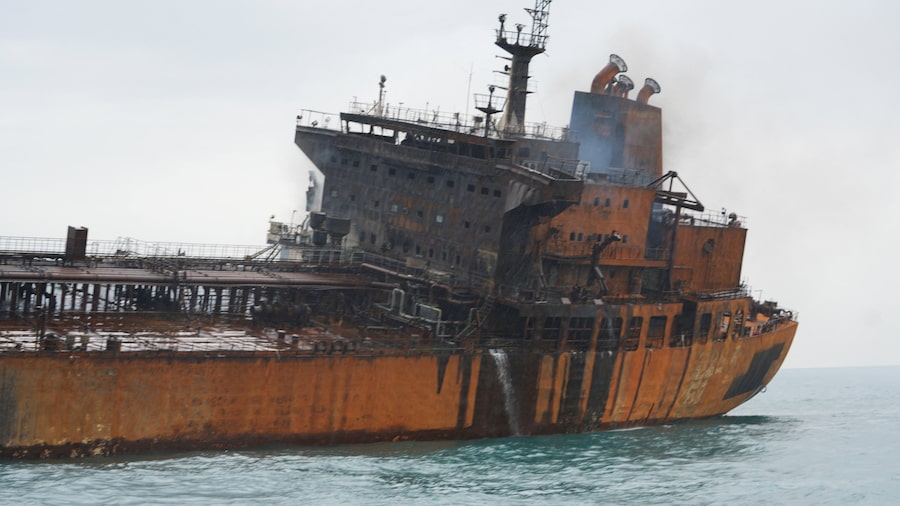
Global financial markets came under pressure as stocks declined and oil prices surged following attacks on tankers in Iraqi waters, raising concerns over the security of energy infrastructure in the Middle East and the risk of escalating conflict.
Futures contracts tied to the S&P 500 Index and the Nasdaq-100 Index both fell by about one per cent, while a broad gauge of Asian equities dropped 1.6 per cent. European stock futures also declined by roughly 0.8 per cent as investors reacted to the growing geopolitical risks.
Oil prices rallied sharply, with Brent Crude climbing back above $100 per barrel. The spike followed reports that Iraq halted operations at its oil ports after the tanker attacks. Authorities in Oman also evacuated vessels from a key export terminal as a precautionary measure to prevent potential damage to oil shipments.
In a separate development, Bahrain accused Iran of targeting its fuel storage tanks, further heightening tensions in the region and raising fears that critical energy infrastructure could be drawn into the conflict.
Energy markets have remained the primary focus for investors as the threat of supply disruptions continues to drive expectations of higher inflation. The renewed surge in oil prices suggests that fears of a prolonged regional conflict are overshadowing relief previously offered by the largest-ever emergency release of crude reserves by major economies.
Adding to concerns over tightening supply, Chinese refiners have reportedly begun cancelling previously agreed export cargoes of refined fuels, including gasoline and diesel, signaling increasing pressure on global energy markets.
Market analysts warn that continued instability in the Middle East could lead to further volatility in global financial markets while sustaining upward pressure on oil prices and inflation worldwide.