The International Monetary Fund (IMF) has raised concerns over the economic impact of the ongoing conflict involving Iran, warning that prolonged disruptions could push global inflation higher and slow economic output.
Speaking at a press briefing on Thursday, IMF spokesperson Julie Kozack said the organisation is closely monitoring developments but has not yet received any requests for emergency financial assistance linked to the crisis.
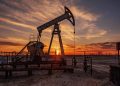
According to her, sustained increases in energy prices could have significant global consequences. She explained that if oil prices remain above $100 per barrel for an extended period, global inflation could rise by as much as two percentage points, while economic output could decline by about one percentage point.
The crisis follows military strikes launched by the United States and Israel on Iran on February 28, triggering a wider conflict across the Middle East. The escalation has led to disruptions around the critical Strait of Hormuz, a key global shipping route through which roughly 20 per cent of the world’s oil and natural gas supply passes.
As a result, global energy markets have reacted sharply, with Brent crude prices climbing to around $110 per barrel—an increase of more than 50 per cent since before the conflict began.
Kozack warned that the economic fallout would be uneven, with the most vulnerable countries likely to be hit hardest due to limited fiscal buffers and tightening global financial conditions. She added that the IMF is actively tracking commodity prices, inflation trends, and financial market responses as the situation evolves.
Beyond energy markets, the conflict is also raising concerns about food security. Disruptions to fertiliser shipments and transportation networks could lead to significant increases in food prices, depending on how long and intense the conflict becomes.
The IMF emphasised that while no country has yet sought emergency support, the situation remains fluid, and prolonged instability could place additional strain on already fragile economies worldwide.