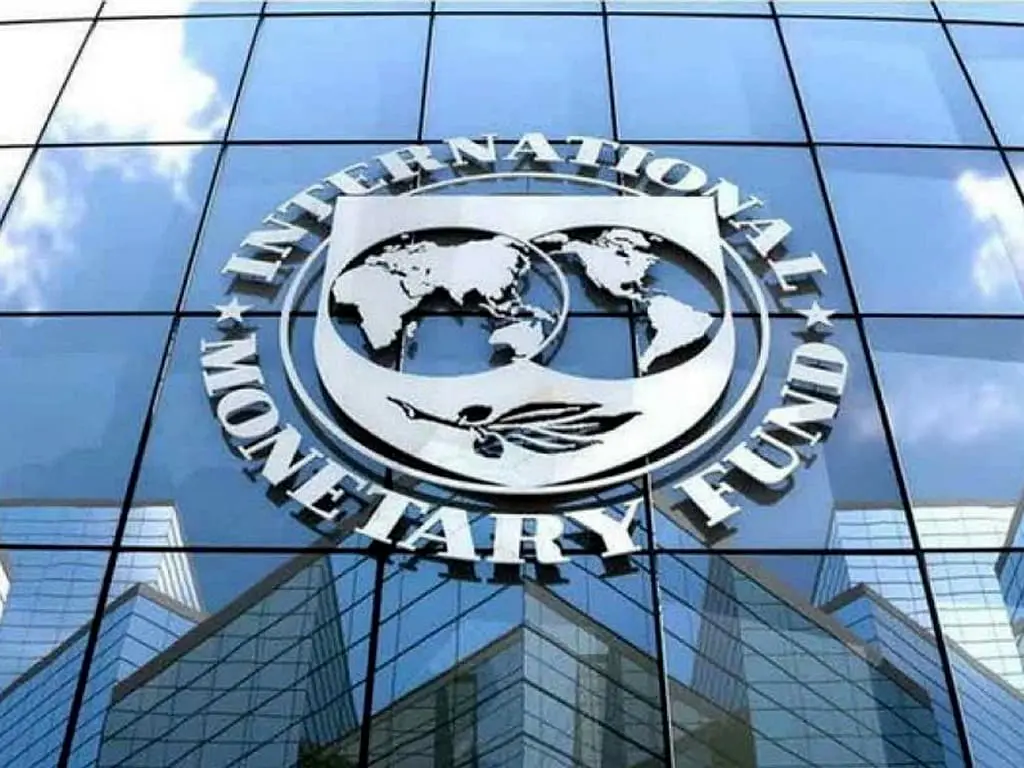
The International Monetary Fund (IMF) has warned that the ongoing war in the Middle East is triggering a fresh global economic shock, putting additional strain on countries still recovering from previous crises. While the human toll is severe, the IMF said the economic impact is spreading unevenly, with energy importers, low-income nations, and economies with weak financial buffers facing the greatest risks.
In its latest assessment, the Fund described the crisis as “global but highly asymmetric.” Energy-importing economies are grappling with soaring fuel and transport costs, while some exporters with access to international markets may benefit from higher commodity prices. Poorer nations, already constrained by rising debt and limited fiscal space, are particularly vulnerable to the fallout.
“The world faces yet another shock,” the IMF noted, warning that the conflict is “upending lives and livelihoods” while dimming prospects for economies just beginning to recover.
Energy has emerged as the main channel transmitting the crisis globally. About 25–30 percent of oil and nearly 20 percent of liquefied natural gas pass through critical routes such as the Strait of Hormuz, making any disruption far-reaching. The International Energy Agency has described the instability as among the largest disruptions in global oil markets in history.
For fuel-importing countries, the IMF said, higher costs act like “a large, sudden tax on income,” reducing household purchasing power and straining government budgets. This is especially pronounced in Africa, Asia, and Latin America, where fiscal conditions are tight.
The war is also affecting major manufacturing hubs in Asia, driving up fuel and electricity costs, increasing production expenses, and weakening competitiveness. Some countries face balance-of-payments pressures and currency depreciation, intensifying inflationary risks. In Europe, concerns reminiscent of the 2021–22 gas crisis are resurfacing, particularly in nations reliant on gas-fired power.
Even oil-exporting nations able to sell their resources on global markets face challenges. The IMF cautioned that limited exports, high risk premia, and geopolitical uncertainty could curtail investment and dampen growth, even among traditionally strong producers.
Beyond energy, the conflict is disrupting global supply chains. Rerouted tankers and cargo ships are raising freight and insurance costs while delaying deliveries. Air traffic disruptions around key Gulf hubs are also affecting tourism and international trade.
Fertilizer supply chains have been hit, with roughly one-third of global shipments passing through the region. The timing coincides with Northern Hemisphere planting seasons, raising concerns about crop yields and food prices. Rising fertilizer costs could exacerbate food inflation and threaten harvests.
Low-income countries are expected to bear the brunt of the crisis, with food accounting for roughly 36 percent of household consumption—compared to 20 percent in emerging markets and 9 percent in advanced economies. This makes them highly sensitive to spikes in food and fertilizer prices, potentially turning economic shocks into socio-political crises.
The IMF concluded that parts of the Middle East, Africa, Asia-Pacific, and Latin America face heightened strains from elevated food and fertilizer costs and tighter financial conditions. External support may be necessary, though such assistance has been declining in recent years.