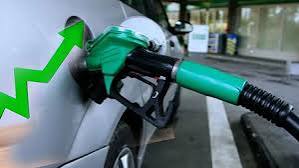
Data from the Major Energies Marketers Association of Nigeria has revealed that imported petrol is currently about N64 cheaper per litre than fuel supplied by the Dangote Petroleum Refinery.
The figures emerged amid rising tensions in the Middle East that have triggered a surge in global oil prices and pushed fuel prices higher across several markets.
According to data released by the association, the gantry price of petrol from the Dangote refinery stood at N874 per litre as of Monday. In contrast, the landing cost of imported petrol was estimated at N809.37 per litre, creating a price difference of about N64.
The association also reported a similar price gap in diesel. Dangote’s diesel price was listed at N1,169.42 per litre, while imported diesel was estimated at N1,125.70 per litre.
The latest price adjustments followed a jump in global crude oil prices to about $84 per barrel, up from below $70 days before airstrikes involving the United States, Iran, Israel and other countries intensified tensions in the Middle East.
Earlier this week, the Dangote refinery increased its petrol gantry price from N774 to N874 per litre. Following the adjustment, several filling stations across Nigeria raised their pump prices to as high as N937 per litre depending on location.
Before the latest geopolitical tensions escalated, some filling stations had already been selling petrol at prices between N812 and N839 per litre. However, the Middle East crisis disrupted the global fuel market, affecting supply and pricing across several countries, including Nigeria.
Despite the figures released by the marketers’ association, officials at the Dangote refinery dismissed the report and challenged importers to prove their claims by bringing petroleum products into the country amid the ongoing conflict in the Middle East.
One refinery official, who spoke on condition of anonymity because of the sensitivity of the matter, accused some importers of promoting a misleading narrative to ensure the Federal Government continues issuing import licences.
“Anybody can go to Apapa to get the landing cost, and anybody who likes should go to Iran and import. Some people just want us to depend on imports. Isn’t it time we ended that dependence on foreign products?” the official said.
The official added that continued reliance on imported fuel could undermine Nigeria’s local refining capacity and economic growth.
Industry observers also noted that the Dangote refinery has helped shield Nigeria from the severe fuel shortages being experienced in some parts of the world as tensions escalate in the Middle East.
Reports from the United Kingdom indicated that motorists rushed to petrol stations amid fears of a possible oil crisis, with some stations running out of fuel and prices rising sharply.
In Nigeria, however, despite the recent price increase, filling stations have largely maintained steady supply without the long queues historically associated with fuel scarcity.
Analysts say the situation reflects the growing role of domestic refining in stabilising Nigeria’s energy supply.
Recent data from the Nigerian Midstream and Downstream Petroleum Regulatory Authority shows that domestic refining, led by the Dangote refinery, now supplies a larger share of the country’s petrol demand.
The regulator’s State of the Downstream Sector report for January 2026 revealed that Nigeria’s average daily petrol supply reached 64.9 million litres during the month.
Of that figure, domestic refineries — largely driven by Dangote — supplied about 40.1 million litres per day, while imports by oil marketing companies and the Nigerian National Petroleum Company Limited accounted for 24.8 million litres per day.
The report marked the first time in more than a year that domestic production surpassed imports, signalling a potential shift away from Nigeria’s long-standing dependence on imported fuel.