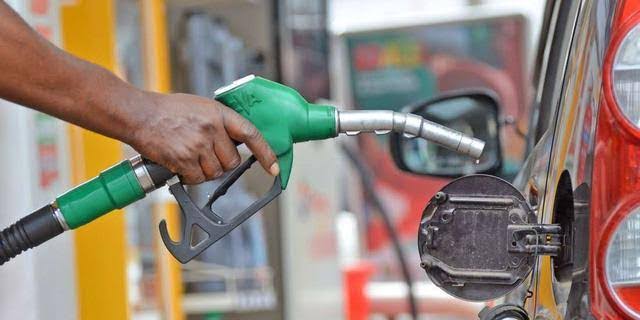
The landing cost of imported petrol in Nigeria is currently N94.53 cheaper than the domestic gantry price, according to the latest report by the Major Energies Marketers Association of Nigeria (MEMAN).
As of March 16, 2026, imported petrol landed at N1,080.47 per litre, while the domestic gantry price stood at N1,175 per litre, creating a significant price gap that could encourage importation. Meanwhile, locally supplied diesel remained N46 cheaper than the imported product, selling at N1,500 per litre compared with N1,546.12 for imported diesel.
The price update coincides with the arrival of over 156 million litres of petrol in Nigeria this week. Six vessels carrying Premium Motor Spirit (PMS) and Automotive Gas Oil (AGO) docked at Lagos ports from Tuesday to Sunday, according to the Nigerian Ports Authority’s Daily Shipping Position obtained by The PUNCH.
Key arrivals included:
LAUSU – 20,000MT PMS at Kirikiri Lighter Terminal Phase 2
LASTE – 13,000MT AGO at KLT 3A
Matrix Triumph – 15,000MT PMS via KLT Phase 2
Koba – 22,000MT AGO via KLT Phase 2
Princess Oge – 20,000MT PMS at KLT Phase 3
Ashabi – 30,000MT AGO
Earlier shipments also contributed to supply, including vessels Mosunmola, Kobe, Bora, Ashabi, and Oluwajuwonlo delivering both petrol and diesel to Lagos and Calabar ports, totaling approximately 249,000MT over recent days.
Retail petrol prices continue to surge nationwide, climbing above N1,200 per litre in most areas. Analysts warn that prices could exceed N1,500 or even approach N2,000 per litre if geopolitical tensions in the Middle East persist. Locations farther from Lagos experience higher prices due to additional distribution costs.
Independent Petroleum Marketers Association of Nigeria confirmed that independent marketers are ready to lift imported products to ensure availability and encourage competition, though price relief remains tied to global crude benchmarks such as Brent crude.
The Nigerian Midstream and Downstream Petroleum Regulatory Authority (NMDPRA) clarified that no new import licences were issued in the first quarter of 2026. Current shipments reflect past approvals and rollover stocks, with domestic refineries supplying an average of 36.5 million litres per day while imports contributed around three million litres.
MEMAN and IPMAN suggested that the landing cost gap could stimulate further import activity, but analysts caution that sustained price reductions will require a decline in global crude oil prices and improved domestic refining output.
The situation underscores the ongoing tension between managing fuel supply, import dependence, and inflationary pressures for consumers.