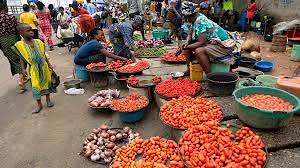
Food prices across major markets in Lagos State surged sharply in March 2026, driven by rising petrol prices that increased transportation and logistics costs, according to a Nairametrics Research survey. The study tracked 68 food items across Mushin, Daleko, Mile 12, and Oyingbo markets, revealing a broad-based uptick in both perishable and non-perishable goods.
Fuel prices climbed from N875 to N960 per litre, while the Dangote Refinery adjusted ex-depot petrol prices from N774 to N874, prompting transporters to raise charges passed on to traders. As a result, 43 of 68 tracked items recorded price increases, compared with 23 in February.
Staple foods were hardest hit. Pepper prices soared by up to 150%, with medium bags rising from N32,000 to N80,000 and large bags from N58,000 to N140,000. Tomatoes saw 40–50% increases, while brown beans jumped over 70% and Oloyin beans climbed 66.67%. Fish prices also rose sharply, with Kote (horse mackerel) up 70% and Titus (mackerel) up 35.71%.
Other commodities saw moderate increases: Olaola poundo yam flour (0.9kg) +34%, dry onions +21.05%, Poweroil (2.6L) +14.68%, and medium-sized Abuja yam +12.5%. Meanwhile, palm oil, pasta, noodles, and beverages recorded smaller rises of 0.32–10%.
A small subset of items experienced price declines, mainly wheat-based products and rice. Honeywell wheat (10kg) fell 14.29%, Semovita dropped 13.33–6.67%, and Mama’s Pride rice (50kg) eased 11.54%. Garri white (50kg) fell 9.09%, while yellow garri and some vegetables remained stable.
Traders and transporters cited higher fuel costs as the main driver of price hikes. “The cost of moving goods from the North has gone up significantly,” a transporter at Mile 12 said. Consumers are also feeling the impact. “Beans were affordable last month. Now it has doubled. It’s becoming difficult to keep up,” said a shopper in Oyingbo.
The survey underscores Lagos’ vulnerability as a consumption-driven city reliant on long-distance food supply. Analysts warn that unless fuel prices stabilize, food inflation pressures are likely to persist, intensifying cost-of-living challenges for households across the state.